University of Illinois Chicago, contemporary
Marya Schechtman
A person is not just a stream of linked mental states. Marya Schechtman argues that we make ourselves persons by understanding our lives as stories, and that the puzzle cases leave out what makes a life a person's.
The view
In The Constitution of Selves (1996), Marya Schechtman argued that philosophers had been answering the wrong question. They asked a reidentification question: what makes a person at one time the same as a person at another? But the concerns that make personal identity matter, such as responsibility, self-interest, compensation and survival, raise a characterisation question: which actions, experiences and traits belong to a person, and make that person who they are?
Her answer was the narrative self-constitution view. A person creates their identity by forming an autobiographical narrative, an implicit understanding of their life as an unfolding story, in which experiences and actions take their meaning from what came before and what is expected next. The narrative must be one the person could articulate, at least in part, and it must fit the facts and the way others see them.
The argument
Schechtman argued that Parfit's Relation R is too thin. A life is not a set of discrete psychological items linked by causal chains; it is a whole in which each part's significance depends on the others. Puzzle cases that swap or divide psychological contents abstract away from exactly what makes a life someone's. In Staying Alive (2014) she added a second idea, the person life view: a person is a being who lives a characteristically personal life, among others who treat it as a person, in practices of recognition, care and responsibility. That life can include stages, such as infancy or severe dementia, that the narrative view left out.
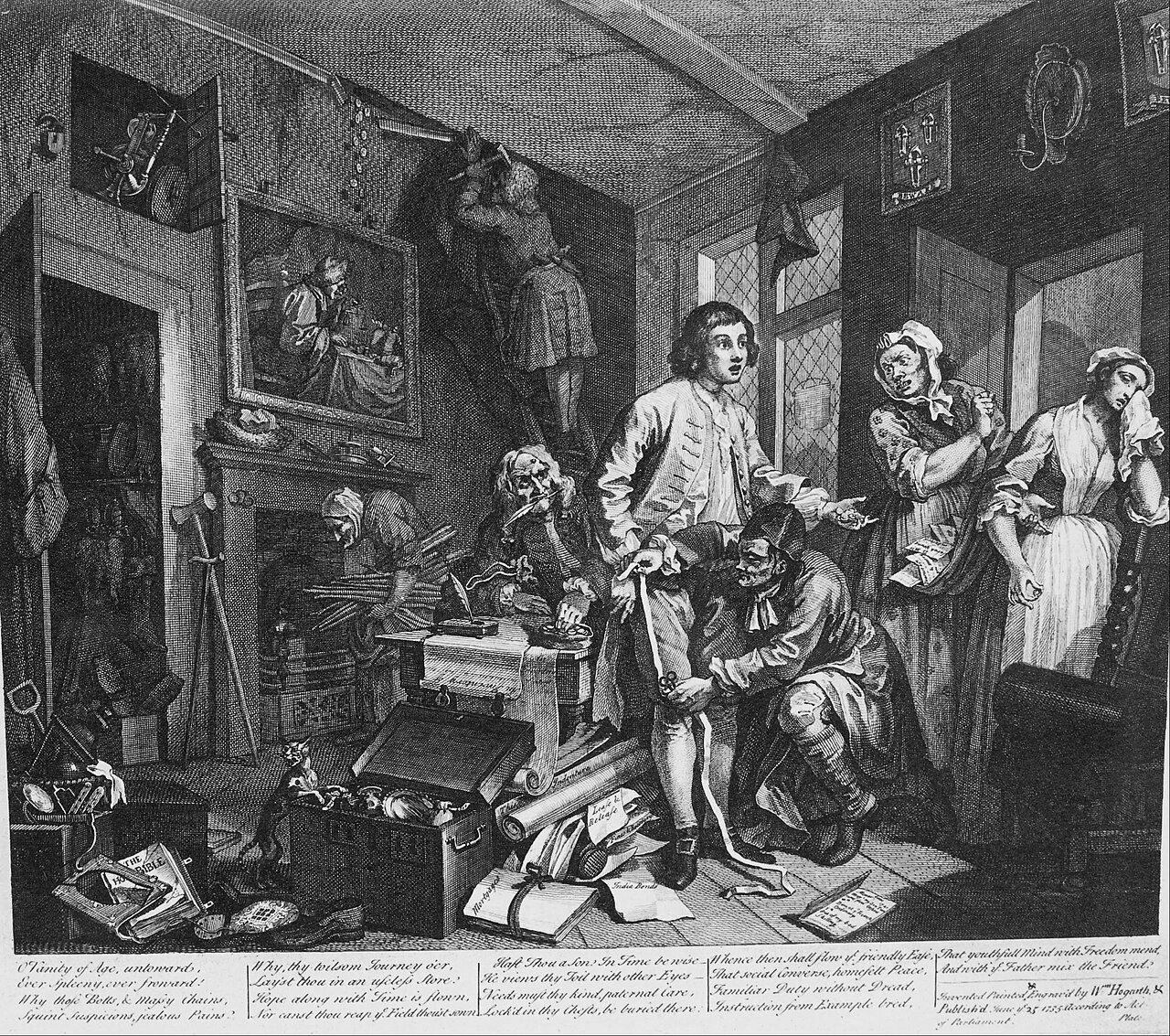
Choose the events that belong in the story of your life.
Where she meets Parfit
Schechtman, like Parfit, puts psychology before the body, and she takes seriously his question of why identity matters. Both think the answer to "is it still me?" can be a matter of degree, and both reject a further fact.
Where she parts from Parfit
She denies that the impersonal, atomistic description of a life is adequate. On her view the self is partly constituted by an activity, interpreting one's life, that Relation R leaves out, and by social relations that a replica on Mars would not inherit automatically. Where Parfit's view loosens the hold of identity, hers tightens it: what matters is not a bare relation between moments but a life lived as one.
| Schechtman | Parfit | |
|---|---|---|
| What is a person? | A self-interpreting being whose identity is constituted by a narrative it holds of its own life; later, a being that lives a person life. | Nothing over and above a brain, a body and a series of interrelated physical and mental events. |
| What makes you the same person over time? | Inclusion in a self-told narrative of one's life, constrained by the facts and by what others recognise. | Relation R, psychological connectedness and continuity, holding in one line without branching. |
| Is identity what matters? | Yes, in the practical sense that matters: what is mine is what my narrative takes up. | No. What matters is Relation R, which can hold without identity, as in division. |
| One of you, or many? | One life, though the story can be revised, and its boundaries are partly set by others. | Normally one, but the concept fails when R branches; then the question may be empty. |
Further reading
- Marya Schechtman, The Constitution of Selves (1996).
- Marya Schechtman, Staying Alive: Personal Identity, Practical Concerns, and the Unity of a Life (2014).