About
About this site
An independent study site on personal identity: what a person is, what makes one the same over time, and whether that is what matters.
What it is
The starting point is Part Three of Derek Parfit's Reasons and Persons (1984). One page sets out his view, and a second carries his cases into the Everettian multiverse, drawing on David Lewis, on Simon Saunders and David Wallace, and on David Deutsch's account of persons as universal explainers. Each major thinker then gets a page of their own, setting out the view, the argument for it, and where it meets and parts from Parfit.
It is the sixth in a family, after Philosophy of Time, Philosophy of Mind, Philosophy of Free Will, Philosophy of Knowledge and Philosophy of Reality. Each of those assumed something about persons; this one asks what.
Two subjects are left out. Parfit's ethics of future generations, Part Four of Reasons and Persons, and his later work on the foundations of ethics, On What Matters (2011), belong to moral philosophy rather than to personal identity. Questions of responsibility and desert are left to the free will site.
Who made it
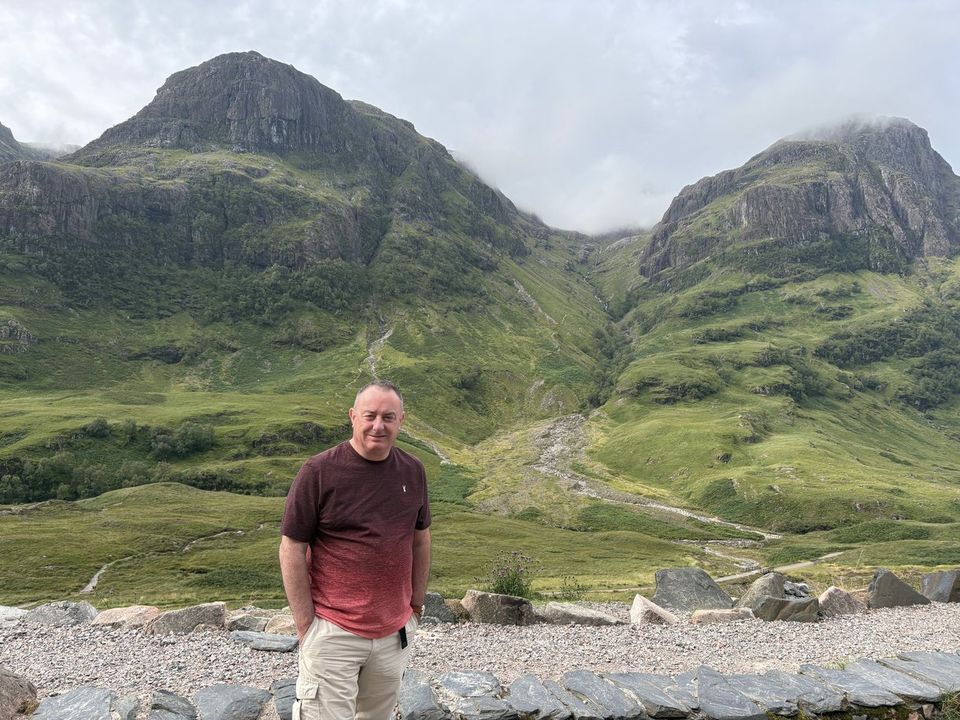
I'm Tim Stephenson. I built this site to work through Parfit's arguments properly: to step through the teletransporter and the divided brain, and to see what becomes of them in a world where, if Everett was right, everyone divides all the time. It is an independent project. If you think I have got Parfit, or anyone else, wrong, I would like to know.
Sources and copyright
- Parfit's books, and those of the other modern authors discussed, are in copyright. The site summarises them in its own words and quotes at most one short passage from any copyrighted source on any page.
- Deutsch has written no theory of personal identity, and the site attributes none to him. Where it draws its own conclusions from putting Parfit and Deutsch together, it says so.
- Locke, Butler, Reid and Hume are quoted directly. Leibniz and Kant are given in our own renderings, and the Buddhist texts are paraphrased.
- The interactive figures simplify the cases they illustrate. The chooser on the compare page and the "Who counts?" figure give our reading of each thinker's view, which several of them would want to qualify.
- Book links on the reading page are plain links, not affiliate links.
Images
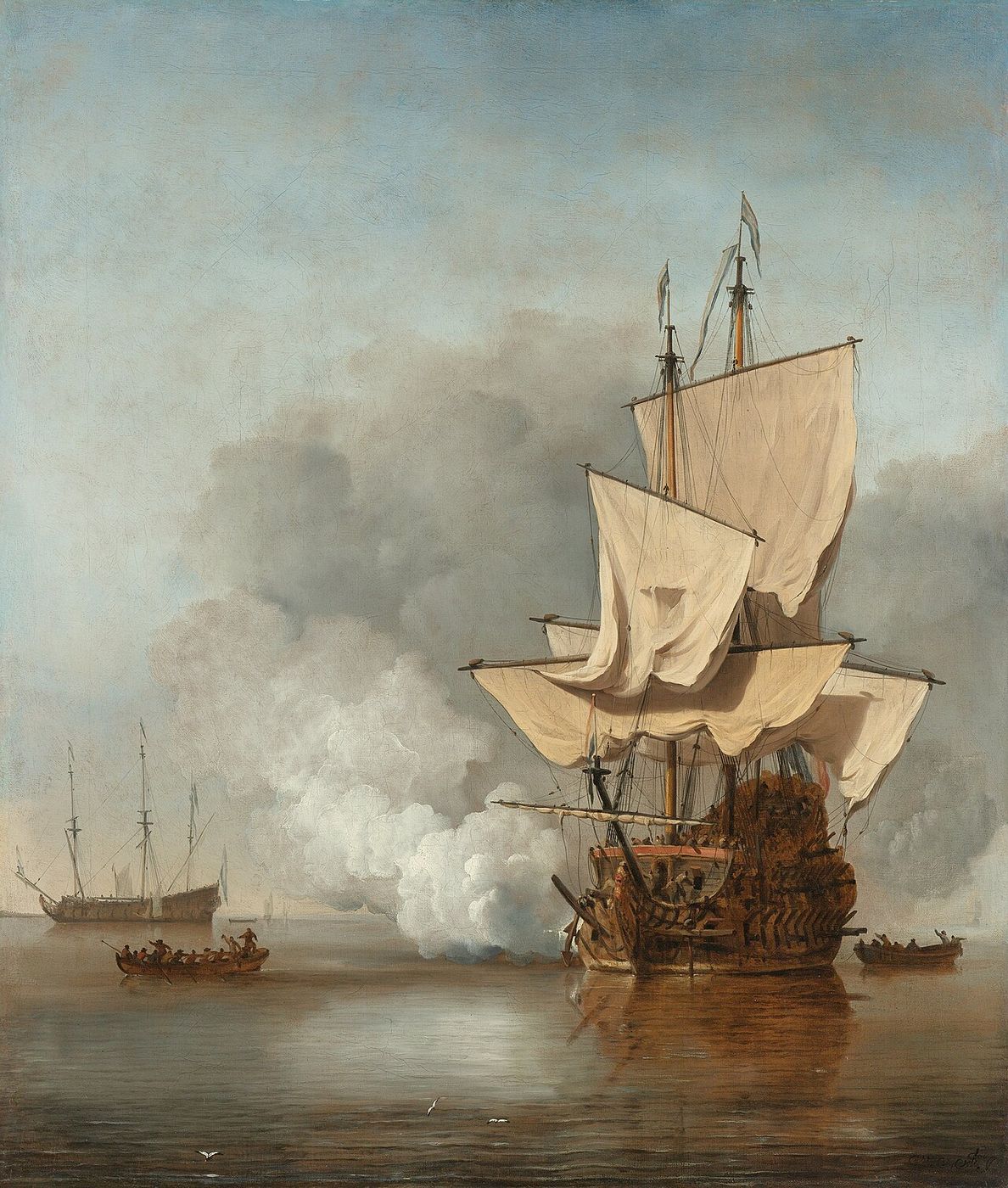
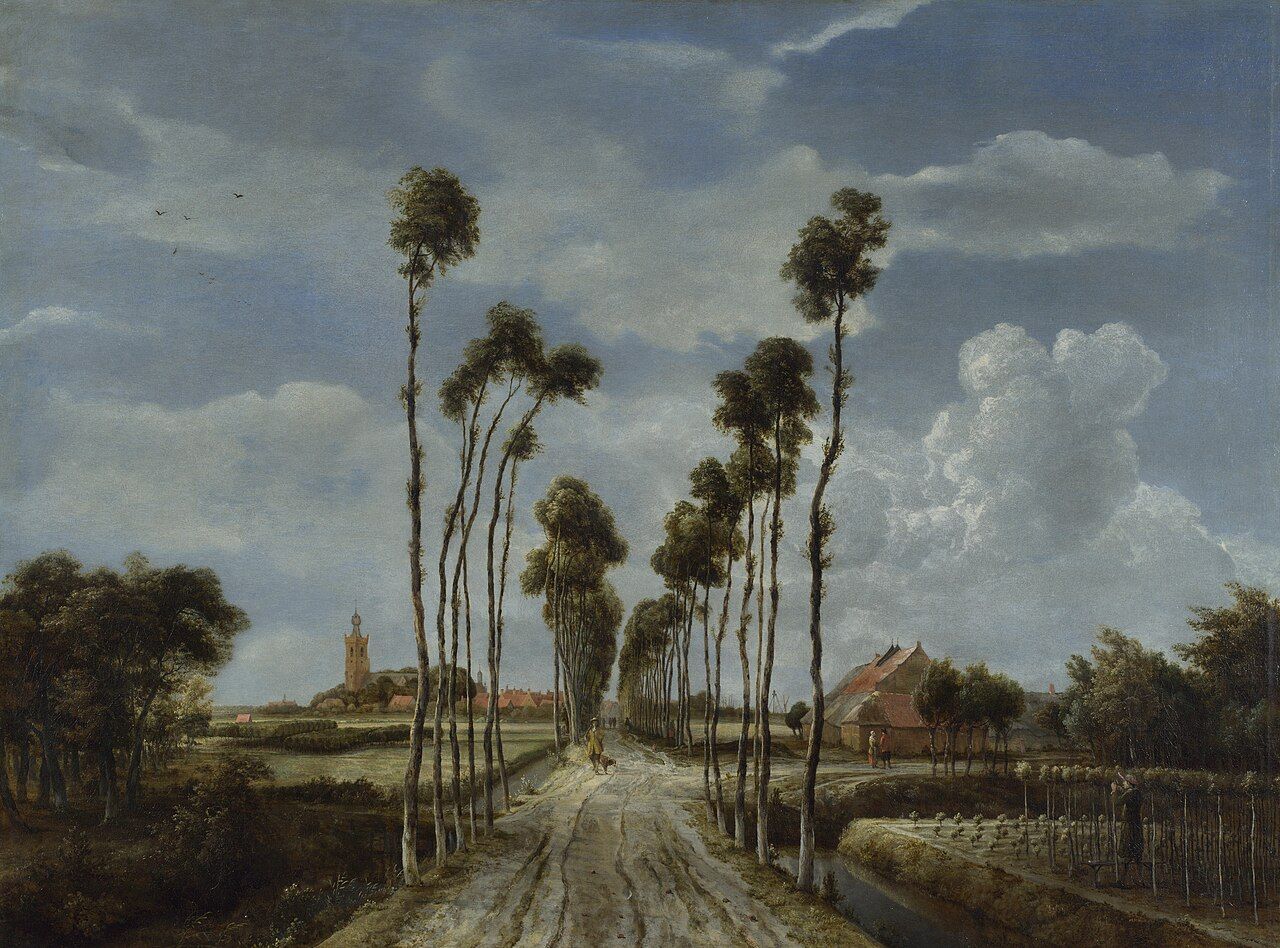
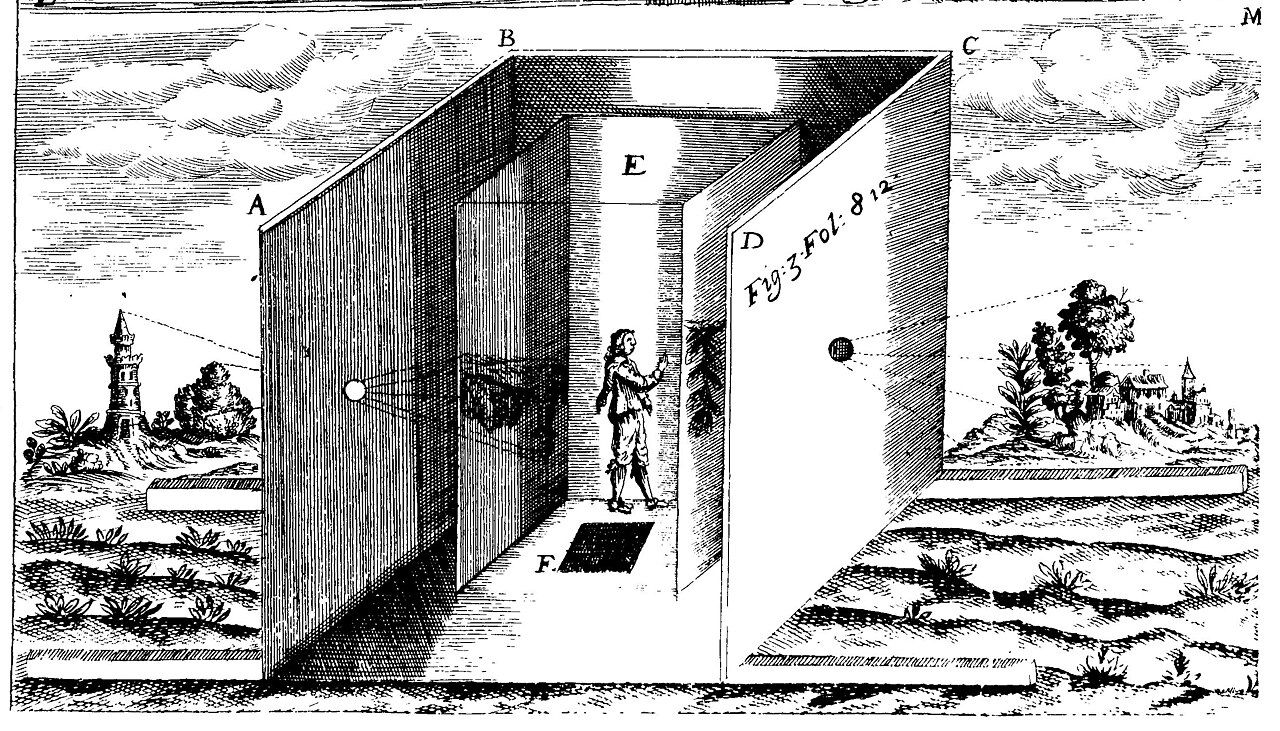
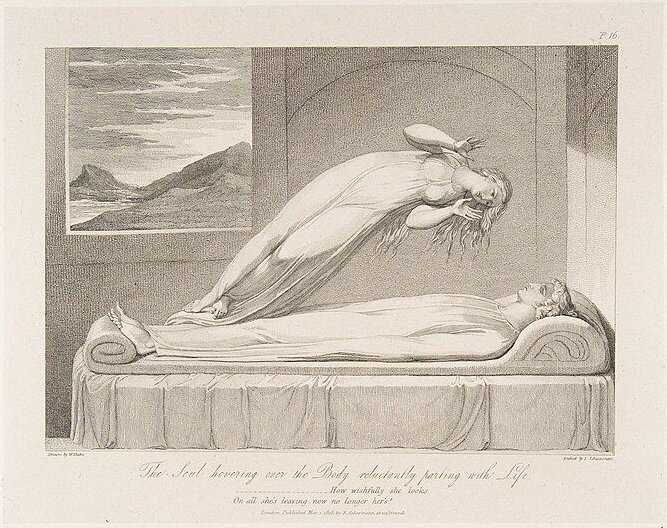
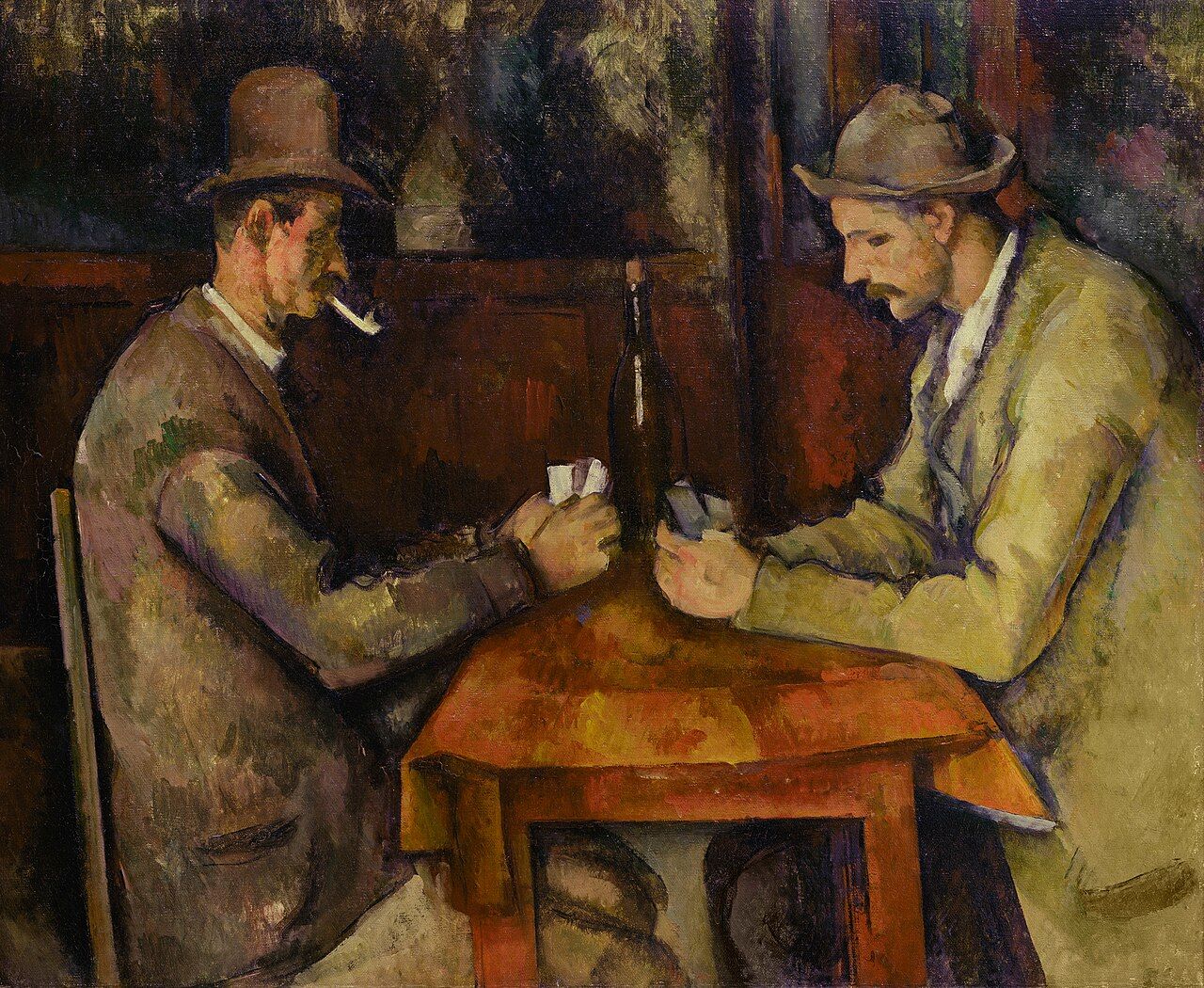
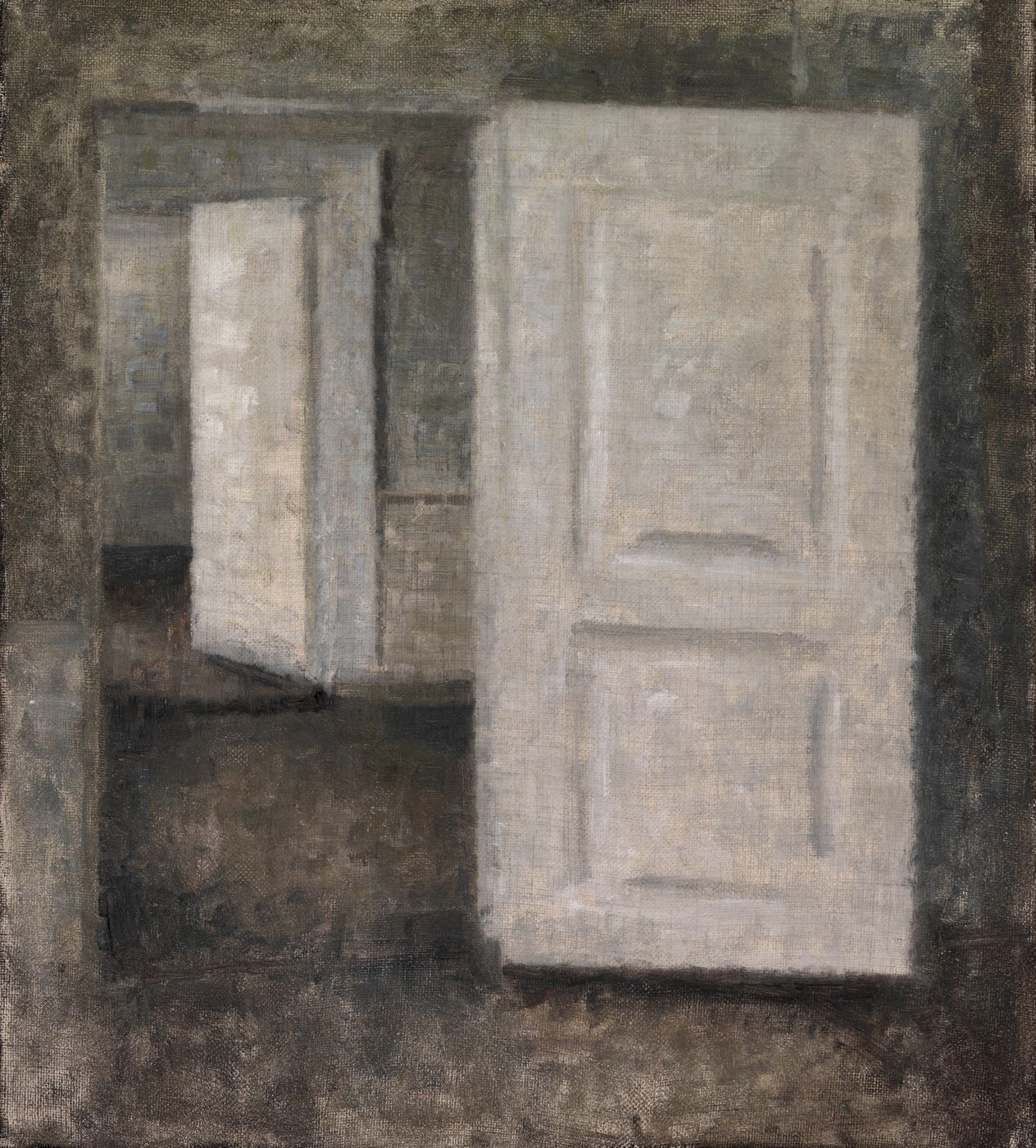
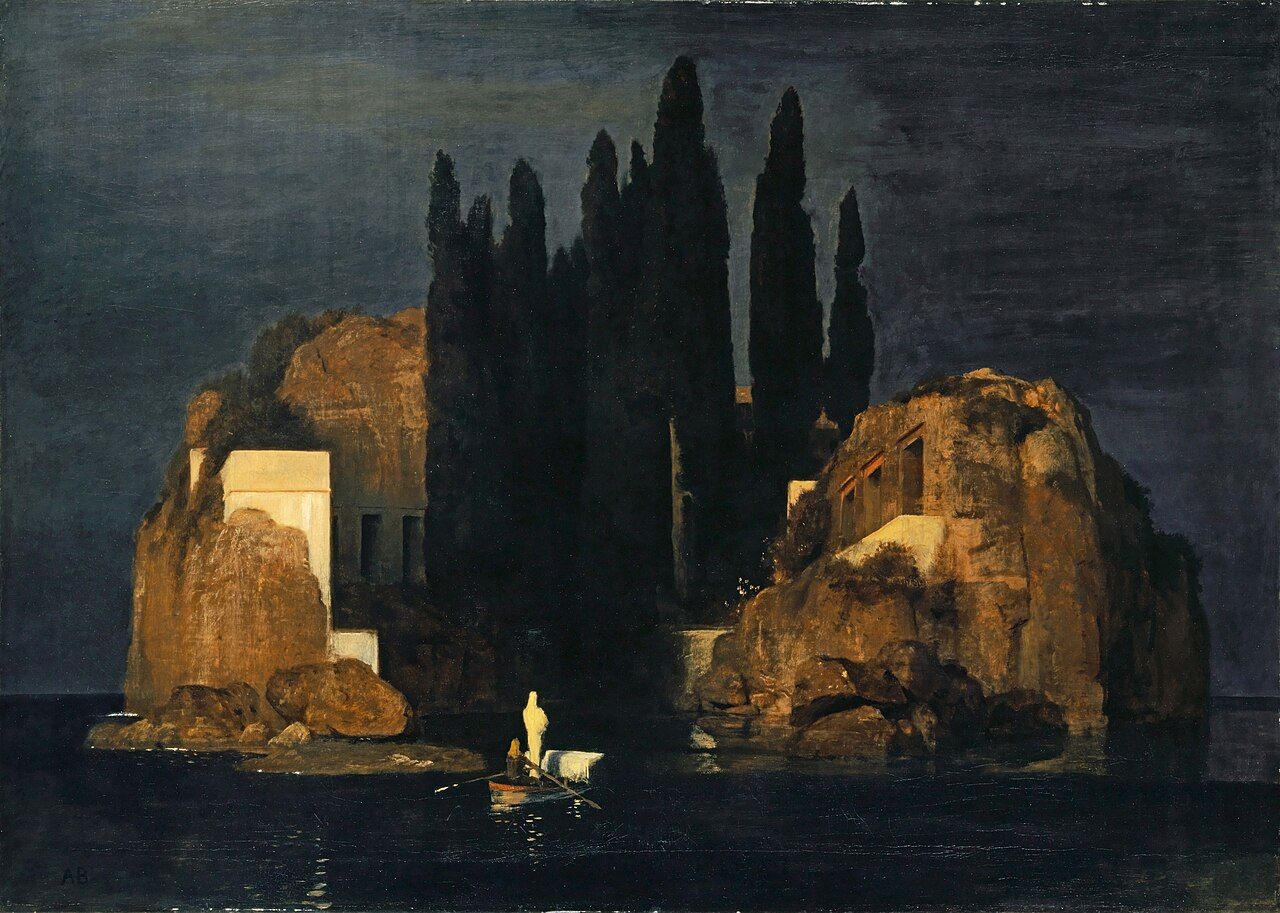
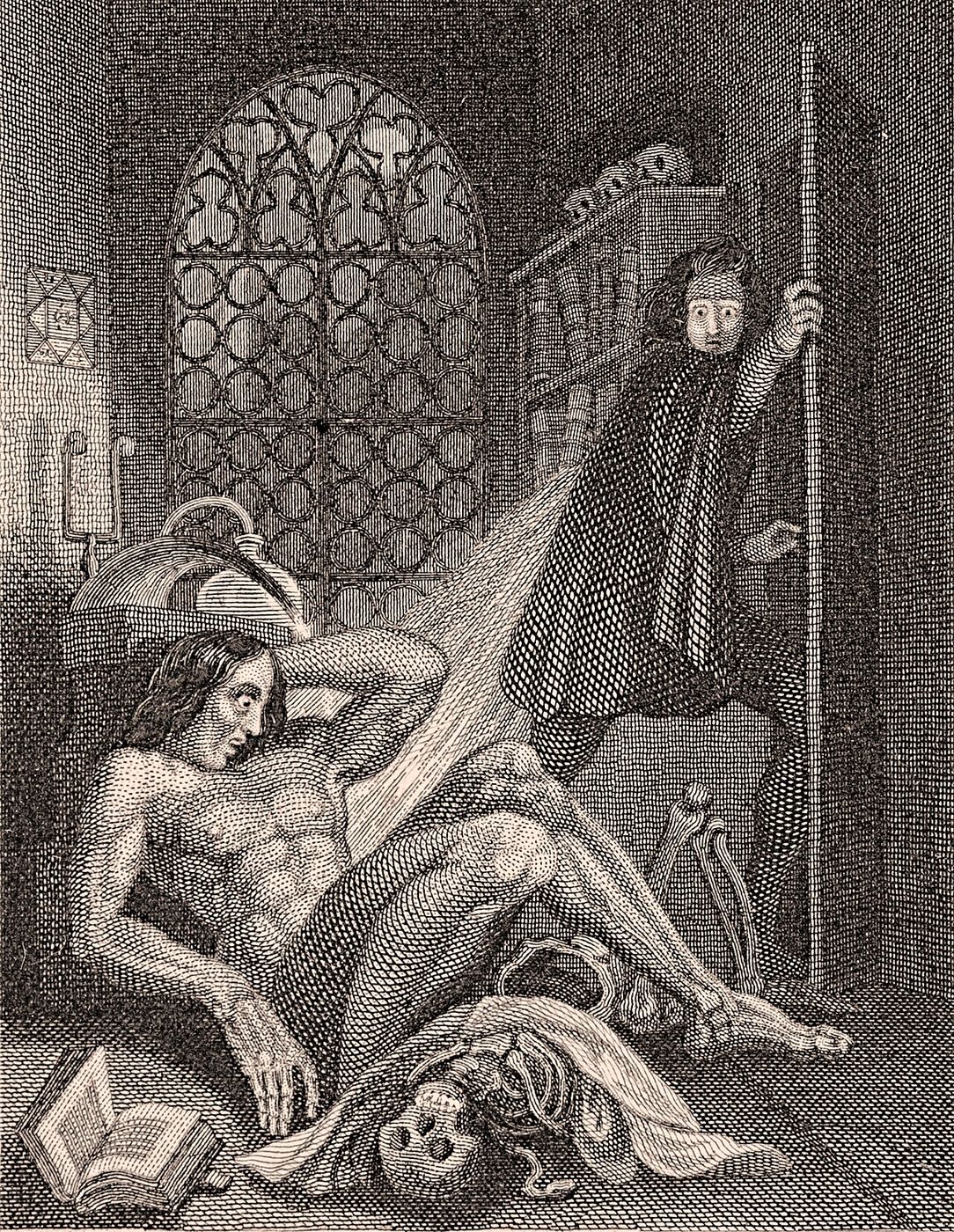
The images are public-domain paintings, prints and drawings from Wikimedia Commons, resized. None of them appears on the sister sites.
| File | Work | Licence | Used on |
|---|---|---|---|
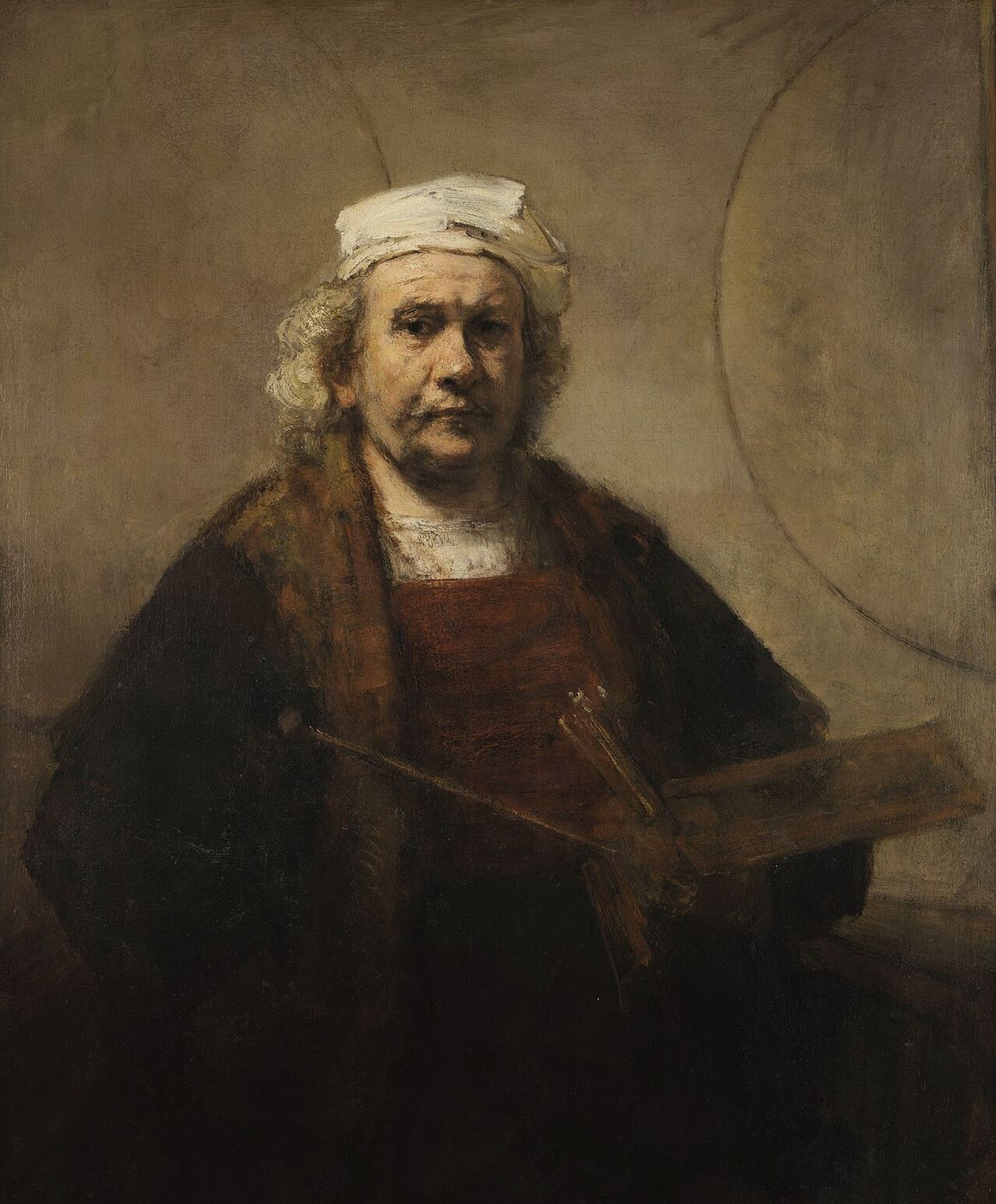
| rembrandt-two-circles.jpg | Rembrandt, Self-Portrait with Two Circles, c. 1665–69, Kenwood House, London | Public domain | Home, Compare, About |
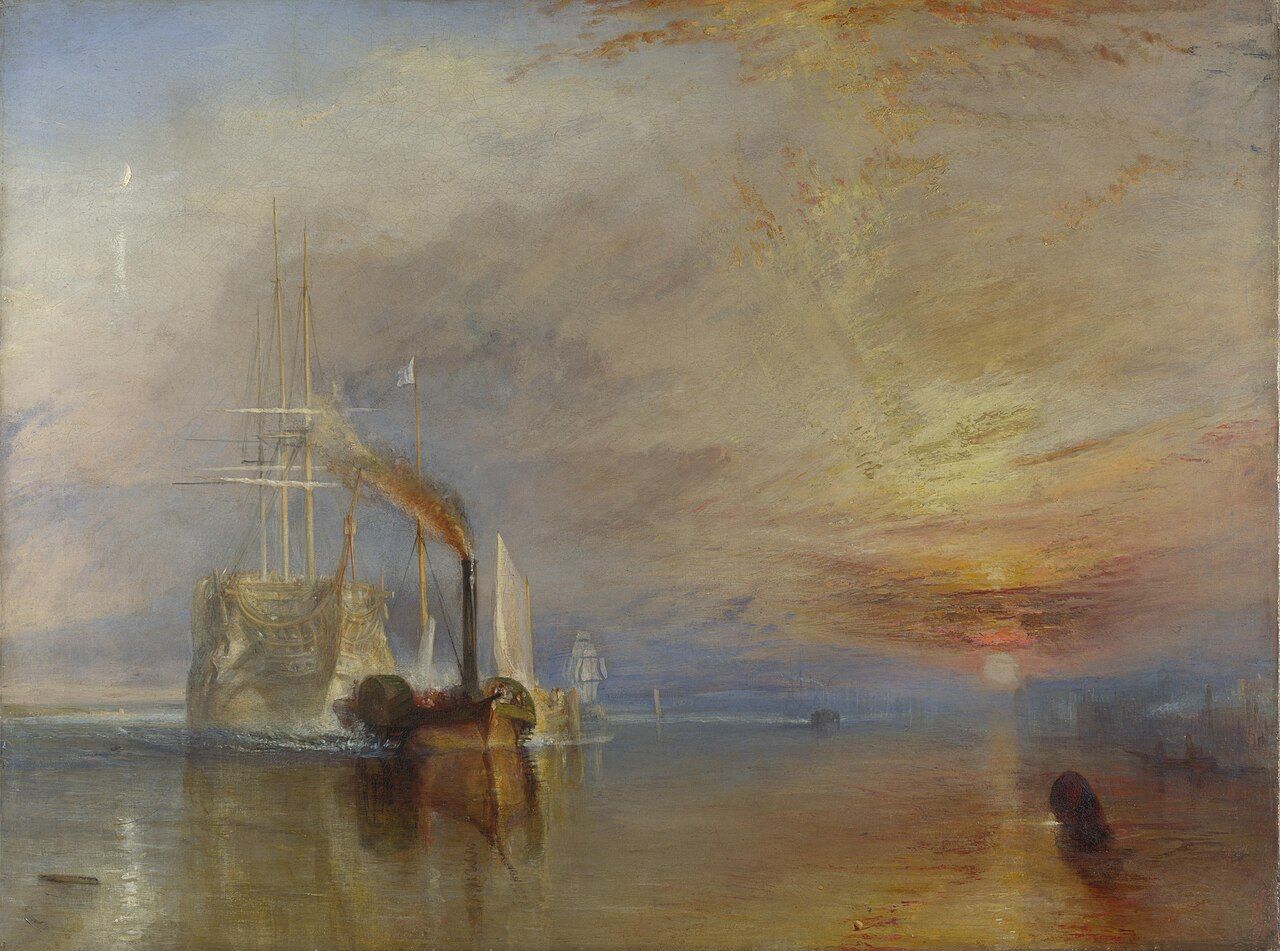
| turner-temeraire.jpg | J. M. W. Turner, The Fighting Temeraire tugged to her last berth to be broken up, 1839, National Gallery, London | Public domain | Parfit |
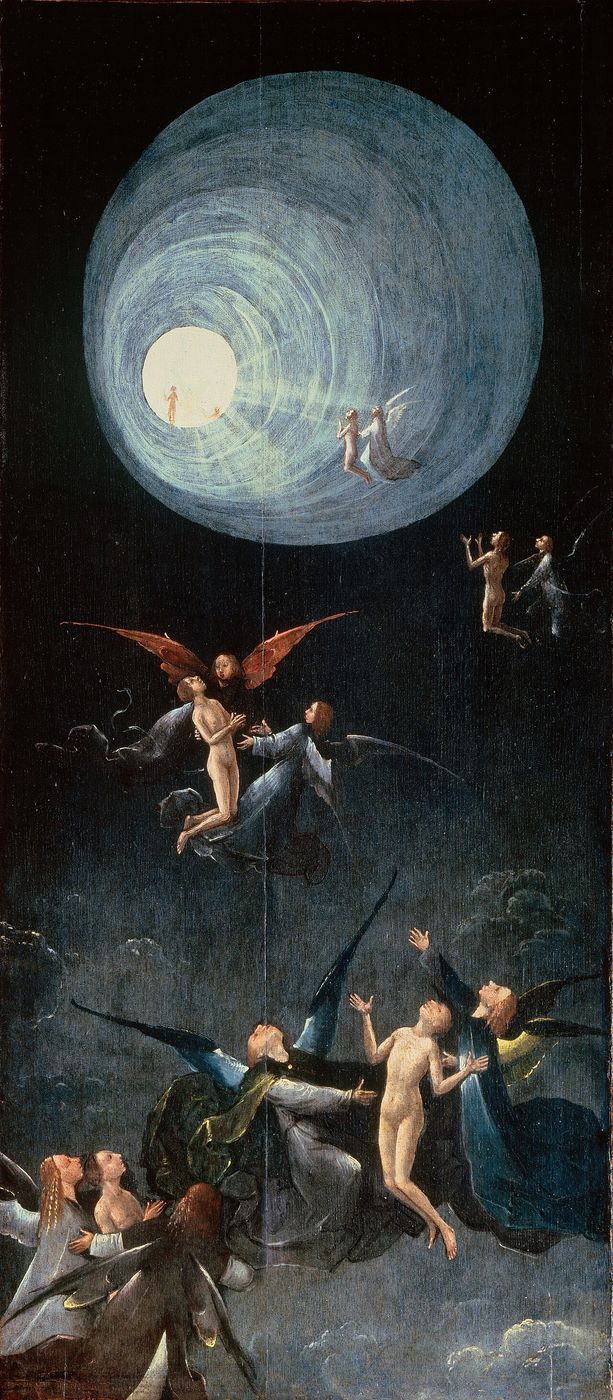
| bosch-ascent.jpg | Hieronymus Bosch, Ascent of the Blessed, early sixteenth century, Gallerie dell'Accademia, Venice | Public domain | Parfit |
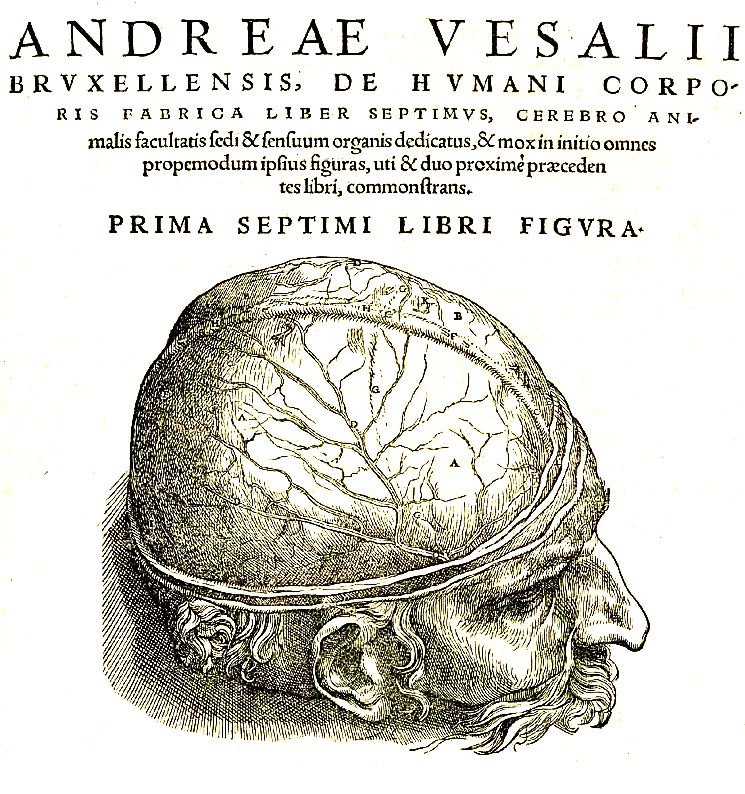
| vesalius-brain.jpg | Andreas Vesalius, the first figure of book VII of De humani corporis fabrica, 1543 | Public domain | Parfit |
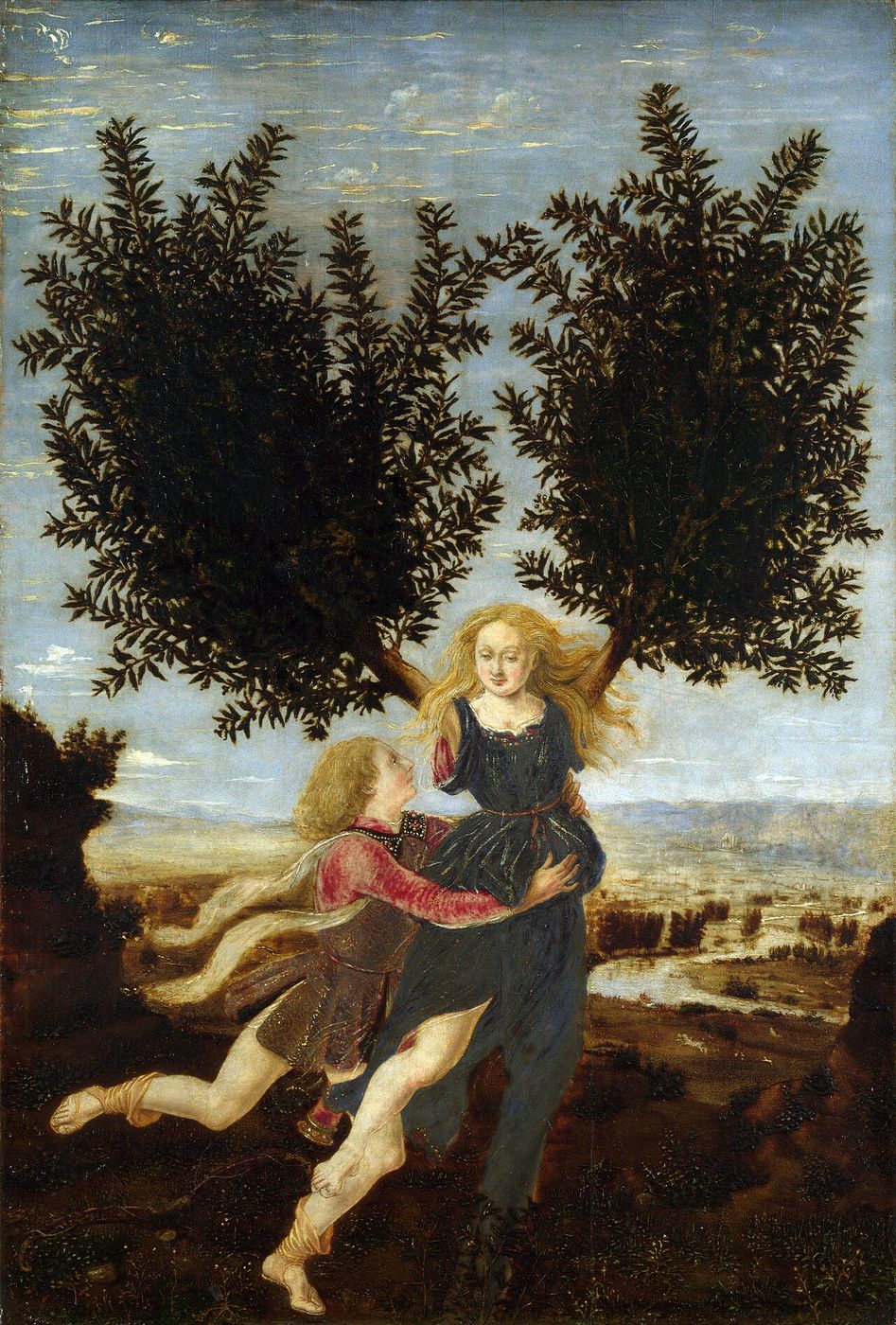
| pollaiuolo-daphne.jpg | Attributed to Piero or Antonio del Pollaiuolo, Apollo and Daphne, probably 1470–80, National Gallery, London | Public domain | Parfit |
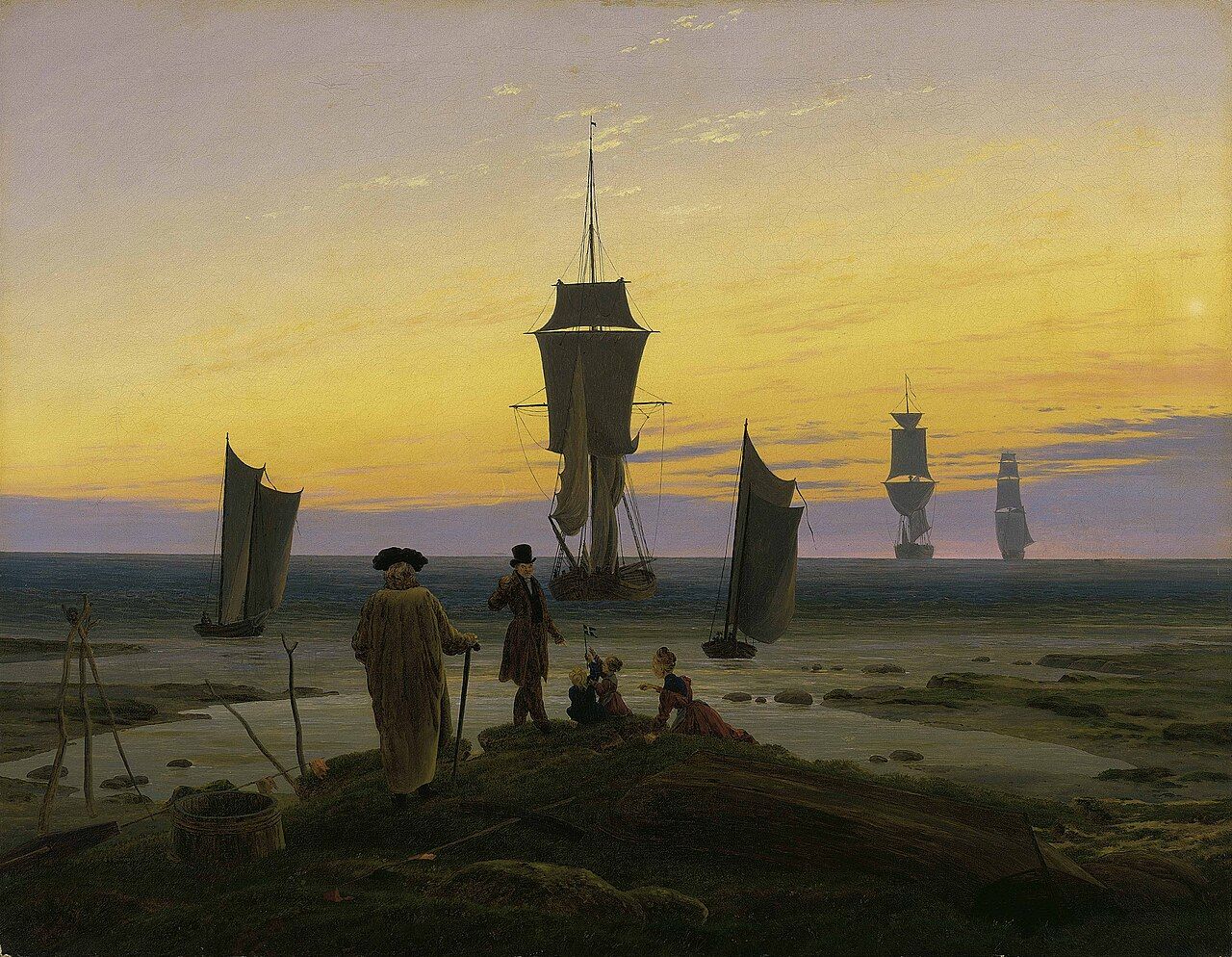
| friedrich-stages.jpg | Caspar David Friedrich, The Stages of Life, c. 1834, Museum der bildenden Künste, Leipzig | Public domain | Parfit |
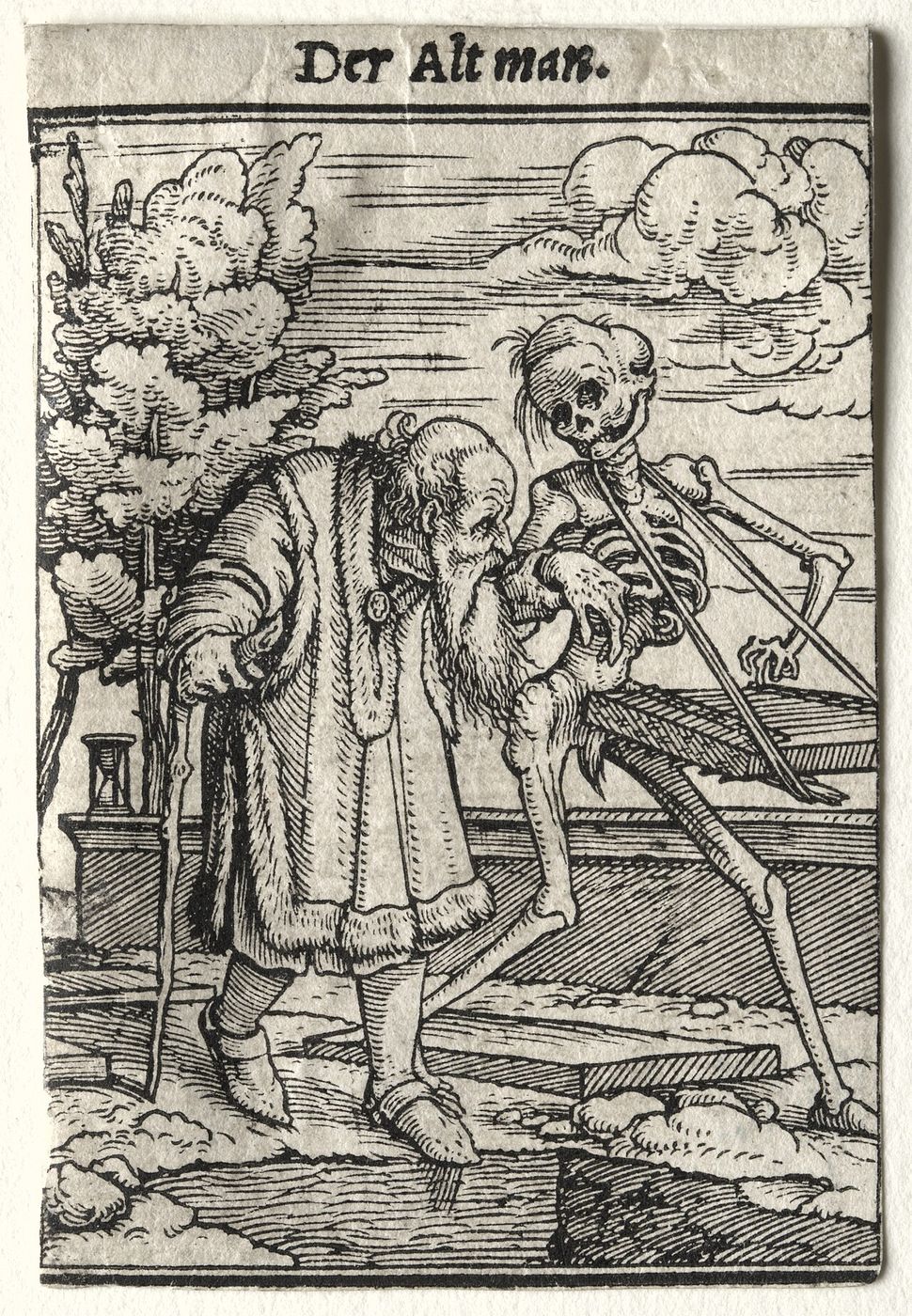
| holbein-old-man.jpg | Hans Holbein the Younger, The Old Man, from The Dance of Death, woodcut, 1538, Cleveland Museum of Art | Public domain | Parfit |
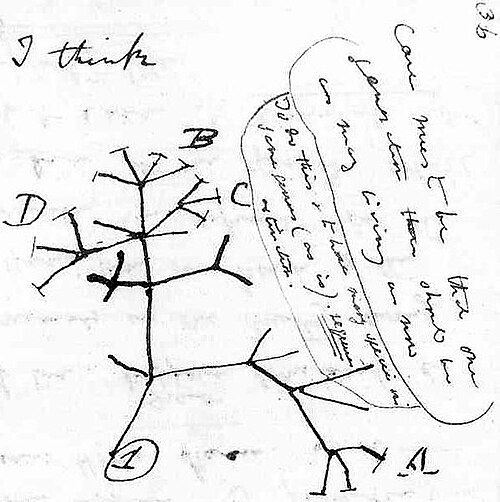
| darwin-tree.jpg | Charles Darwin, the "I think" tree, Notebook B, 1837 | Public domain | Many of you |
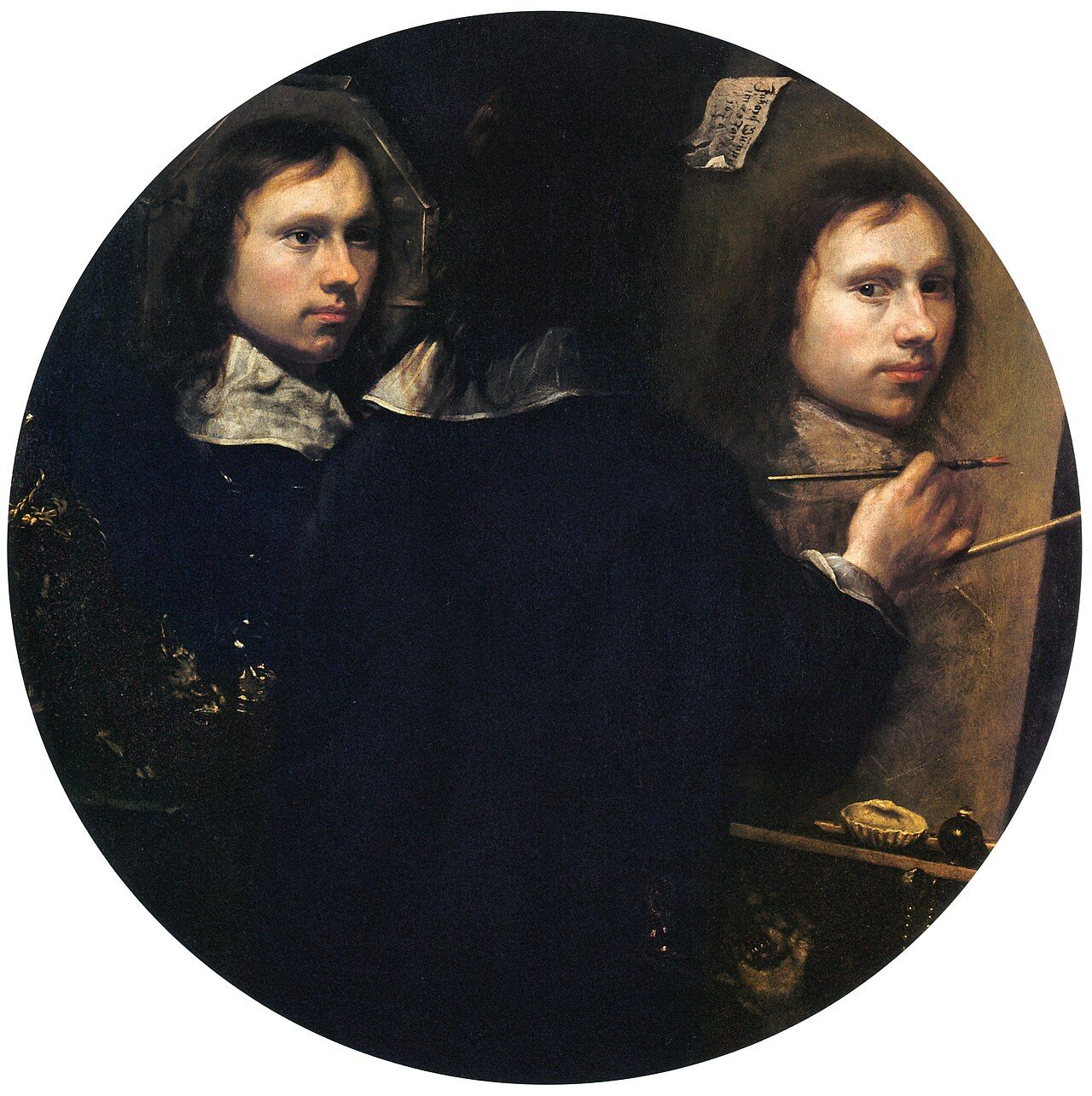
| gumpp-self-portrait.jpg | Johannes Gumpp, Self-Portrait, 1646, Uffizi Gallery, Florence | Public domain | Many of you |
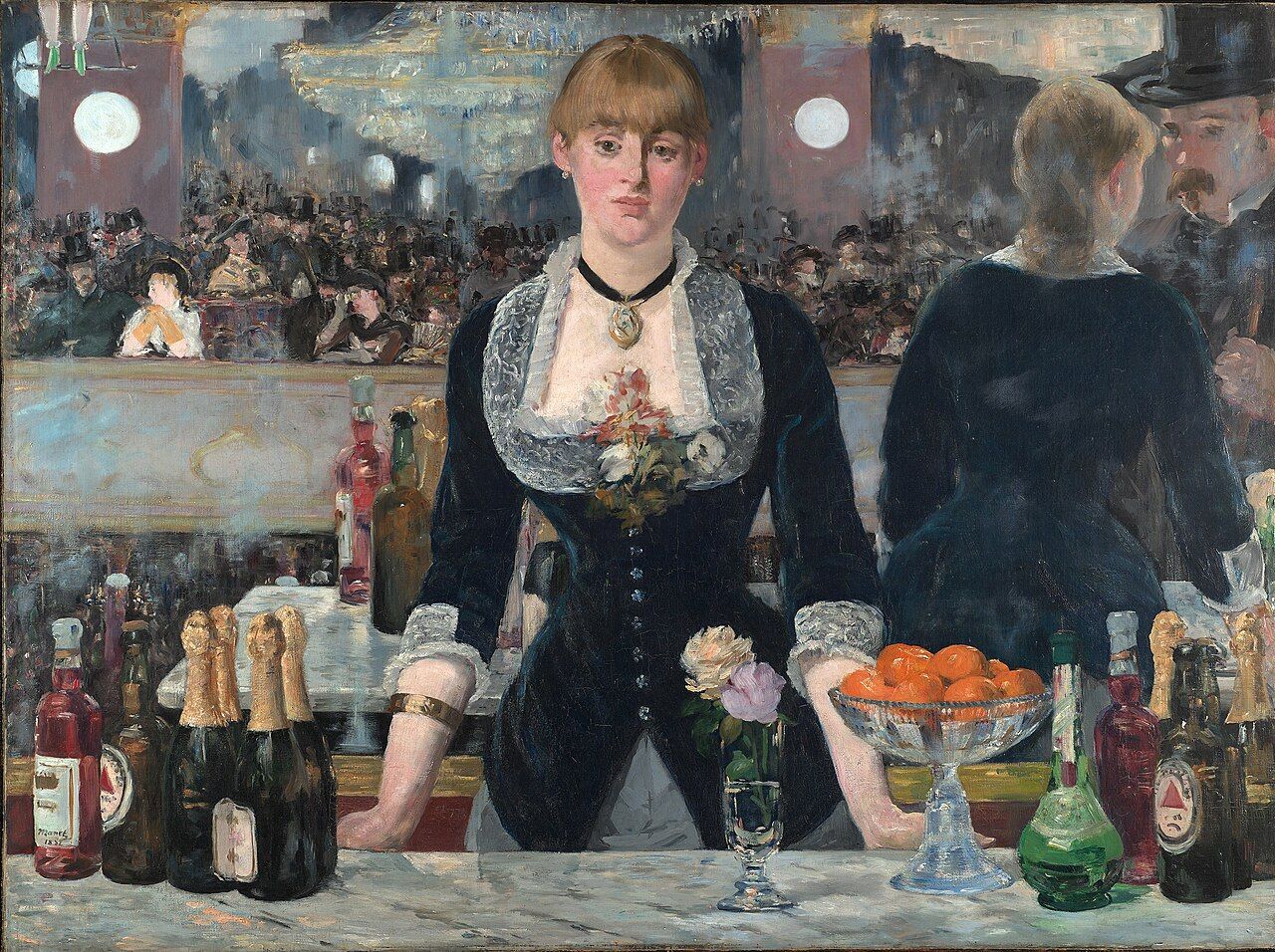
| manet-folies-bergere.jpg | Édouard Manet, A Bar at the Folies-Bergère, 1882, Courtauld Gallery, London | Public domain | Many of you |
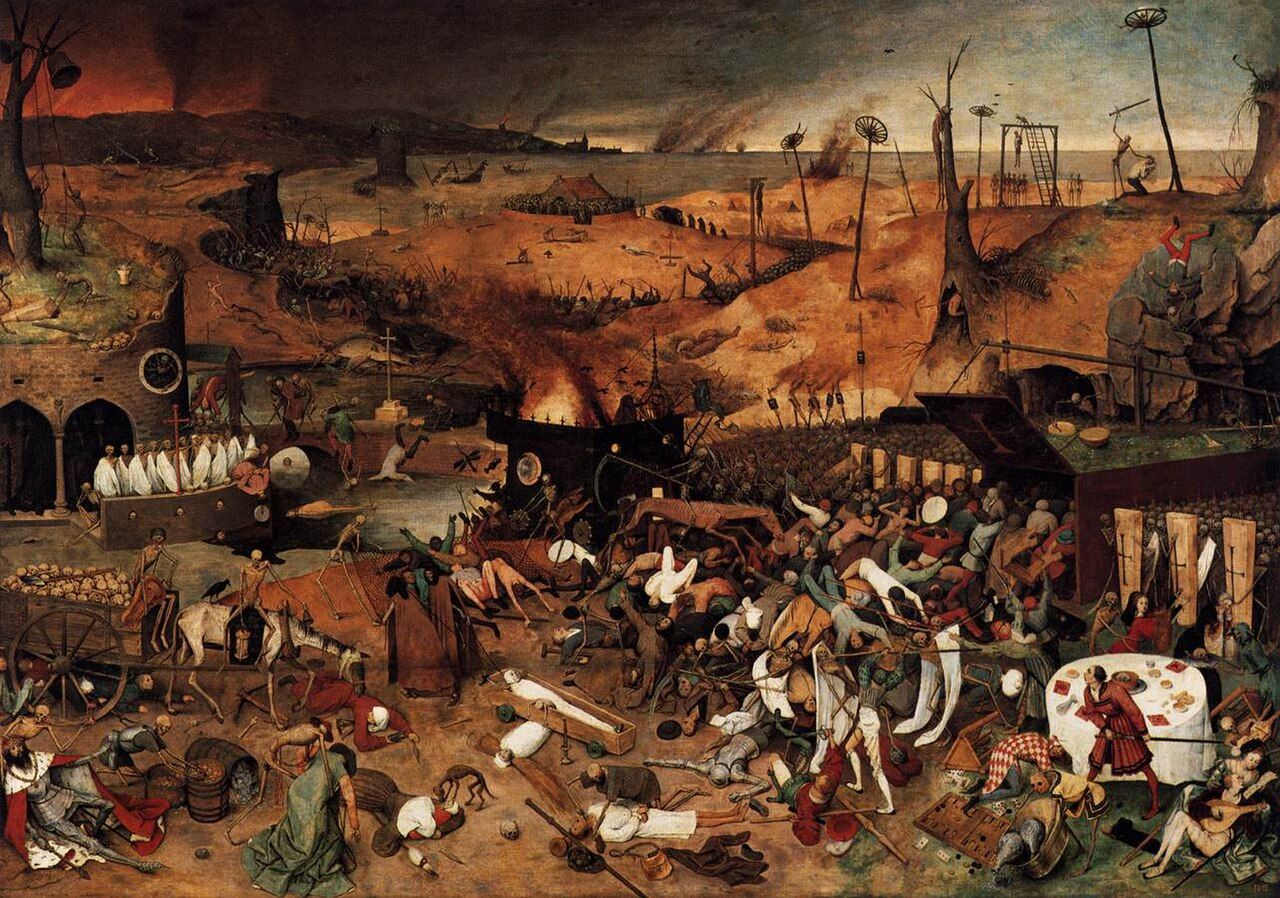
| bruegel-triumph-death.jpg | Pieter Bruegel the Elder, The Triumph of Death, c. 1562, Museo del Prado, Madrid | Public domain | Many of you |
| durer-self-portrait.jpg | Albrecht Dürer, Self-Portrait, 1500, Alte Pinakothek, Munich | Public domain | Many of you |
| hals-st-george.jpg | Frans Hals, Banquet of the Officers of the St George Civic Guard, 1616, Frans Hals Museum, Haarlem | Public domain | Thinkers, Glossary, Reading |
| hokusai-wave.jpg | Katsushika Hokusai, Under the Wave off Kanagawa, c. 1830–32, Metropolitan Museum of Art, New York | Public domain | The Buddhist no-self view |
| merrill-prince-pauper.jpg | Frank T. Merrill, illustration for Mark Twain's The Prince and the Pauper, 1881 | Public domain | Locke |
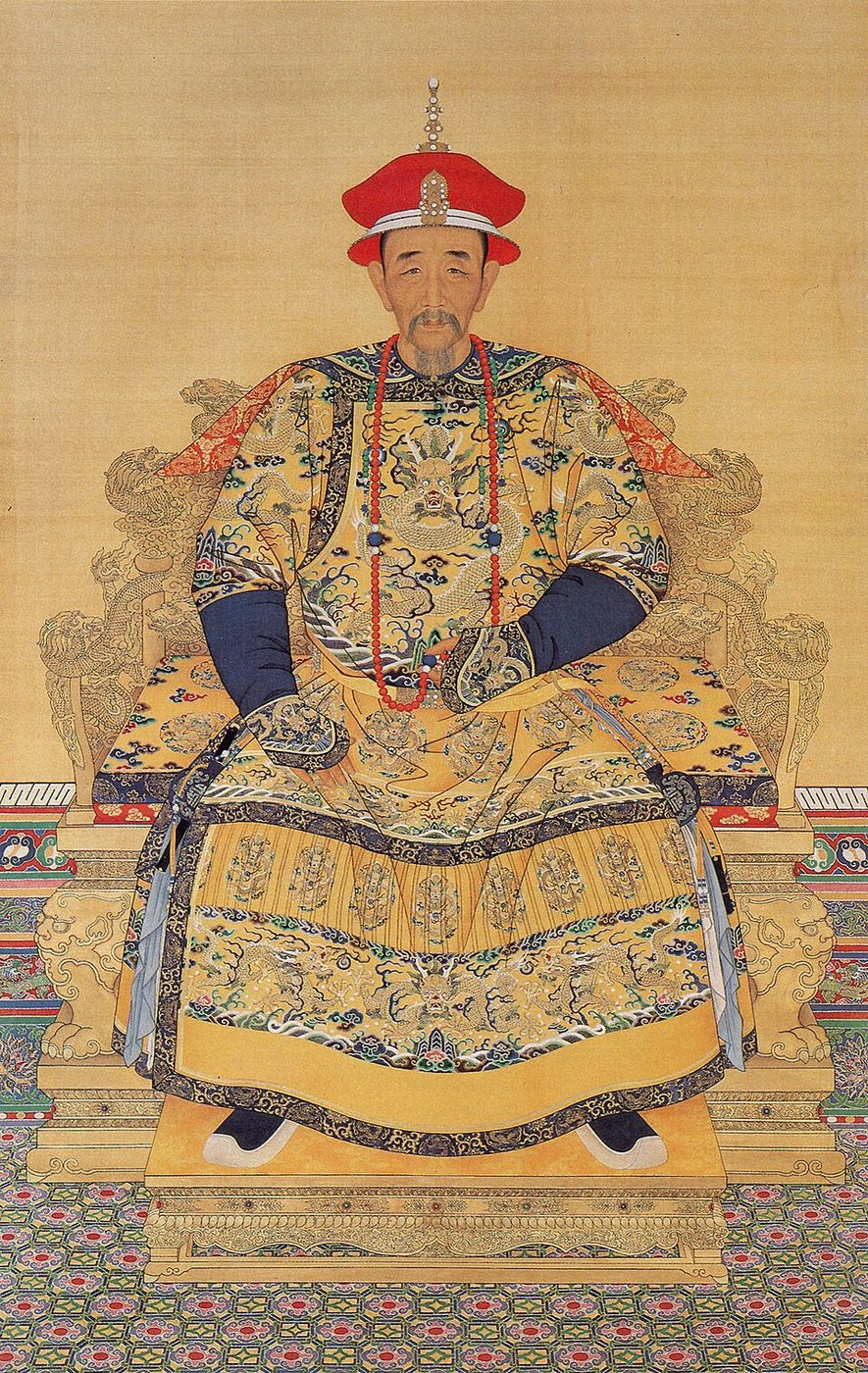
| kangxi-emperor.jpg | Unknown court painter, Portrait of the Kangxi Emperor in Court Dress, late Kangxi period | Public domain | Leibniz |
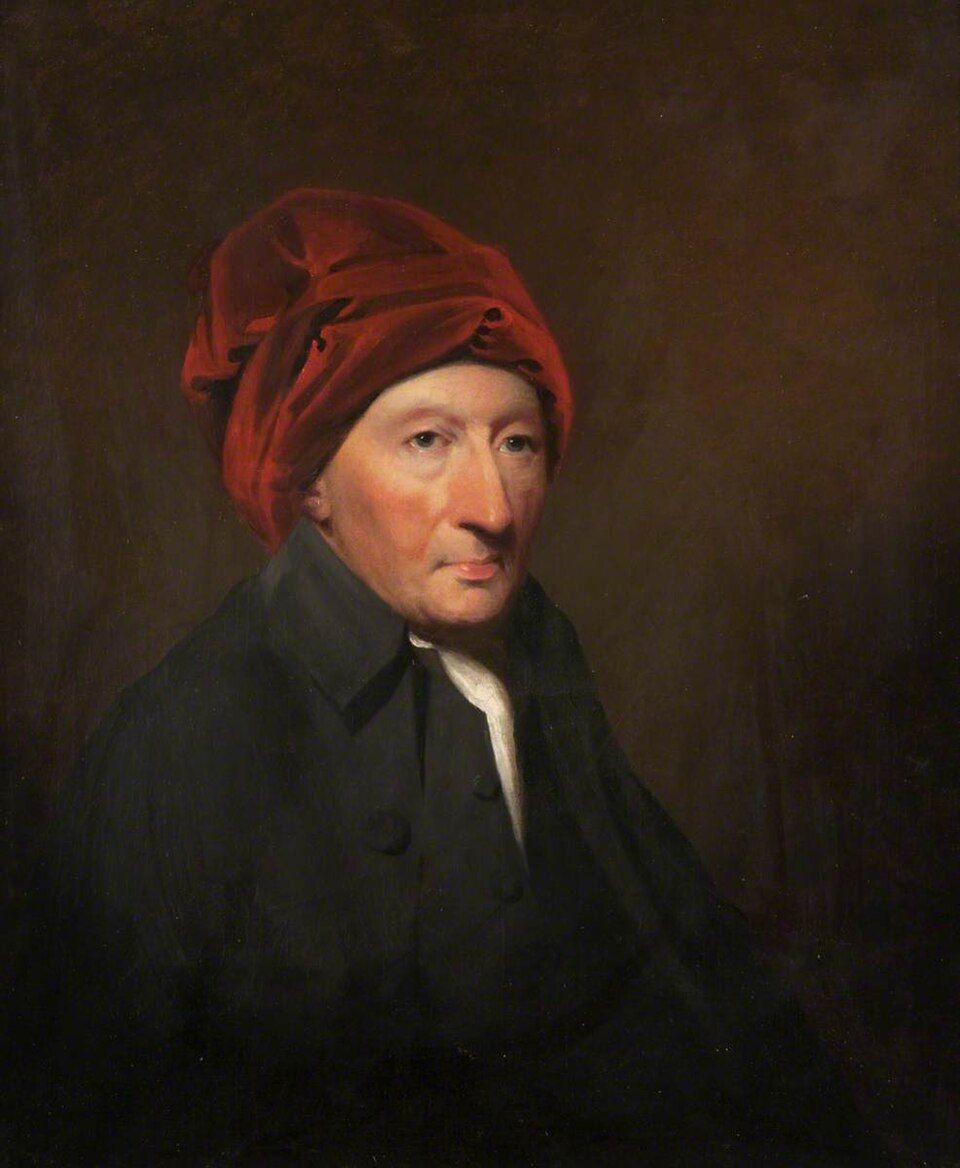
| raeburn-reid.jpg | Sir Henry Raeburn, The Reverend Thomas Reid, 1796, Hunterian Art Gallery, University of Glasgow | Public domain | Butler and Reid |
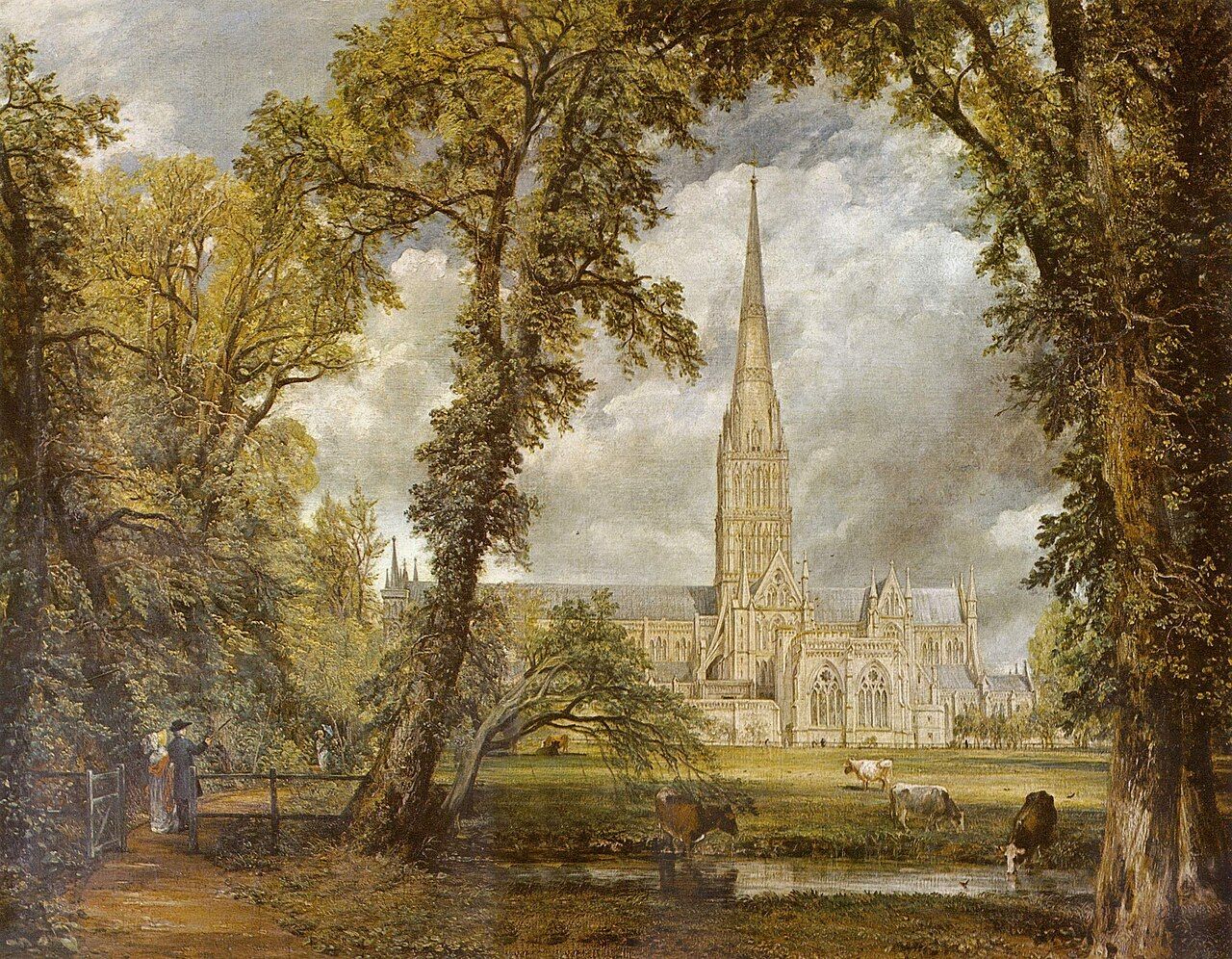
| constable-salisbury.jpg | John Constable, Salisbury Cathedral from the Bishop's Grounds, 1823, Victoria and Albert Museum, London | Public domain | Hume |
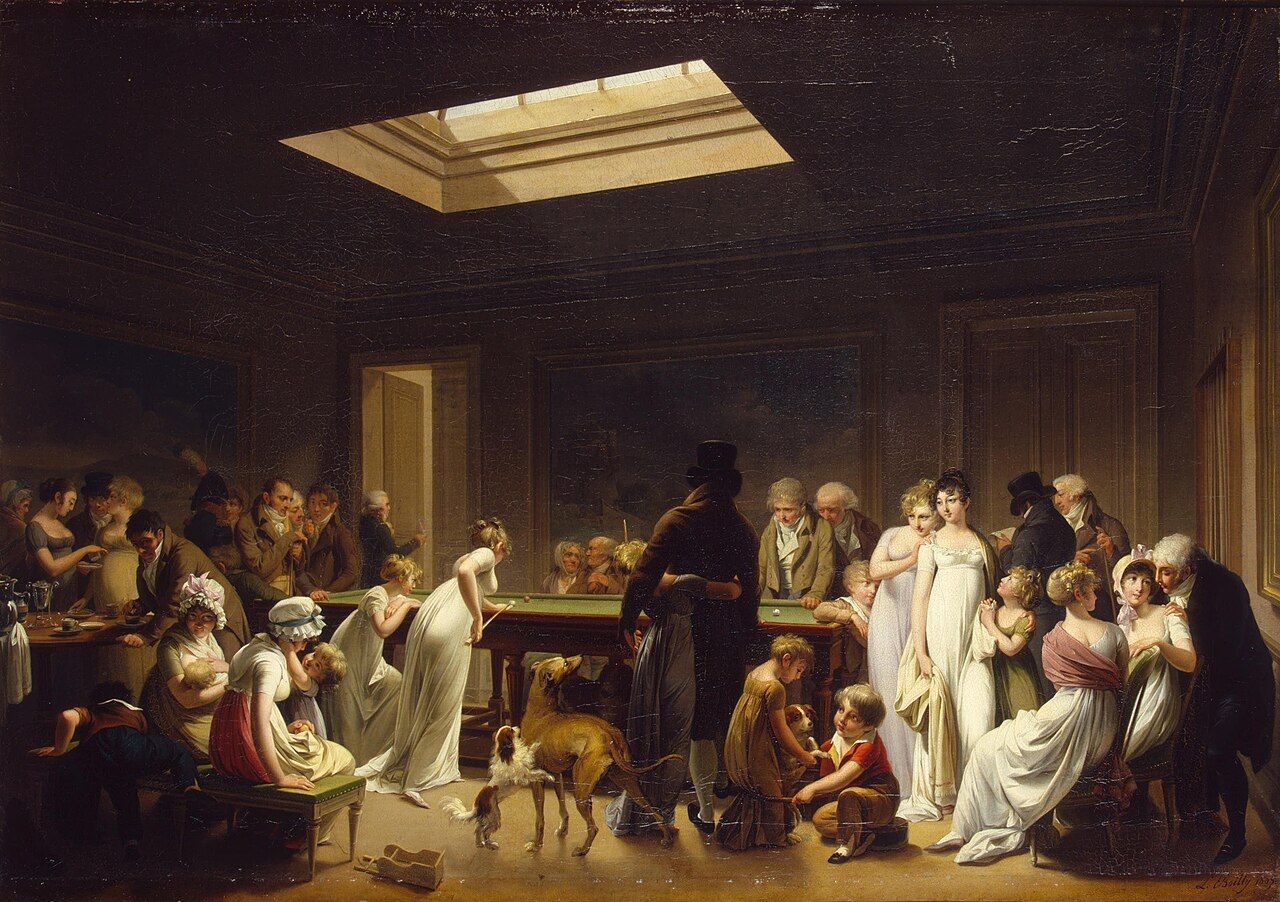
| boilly-billiards.jpg | Louis-Léopold Boilly, The Game of Billiards, 1807, Hermitage Museum, St Petersburg | Public domain | Kant |
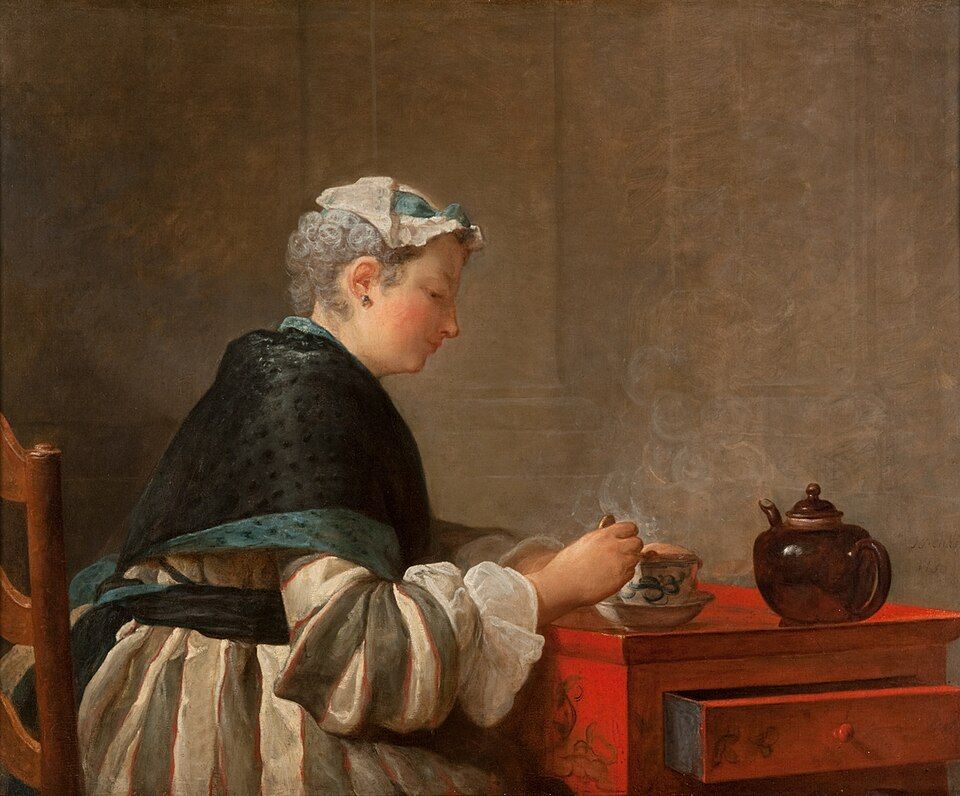
| chardin-tea.jpg | Jean-Siméon Chardin, A Lady Taking Tea, 1735, Hunterian Art Gallery, University of Glasgow | Public domain | Strawson |
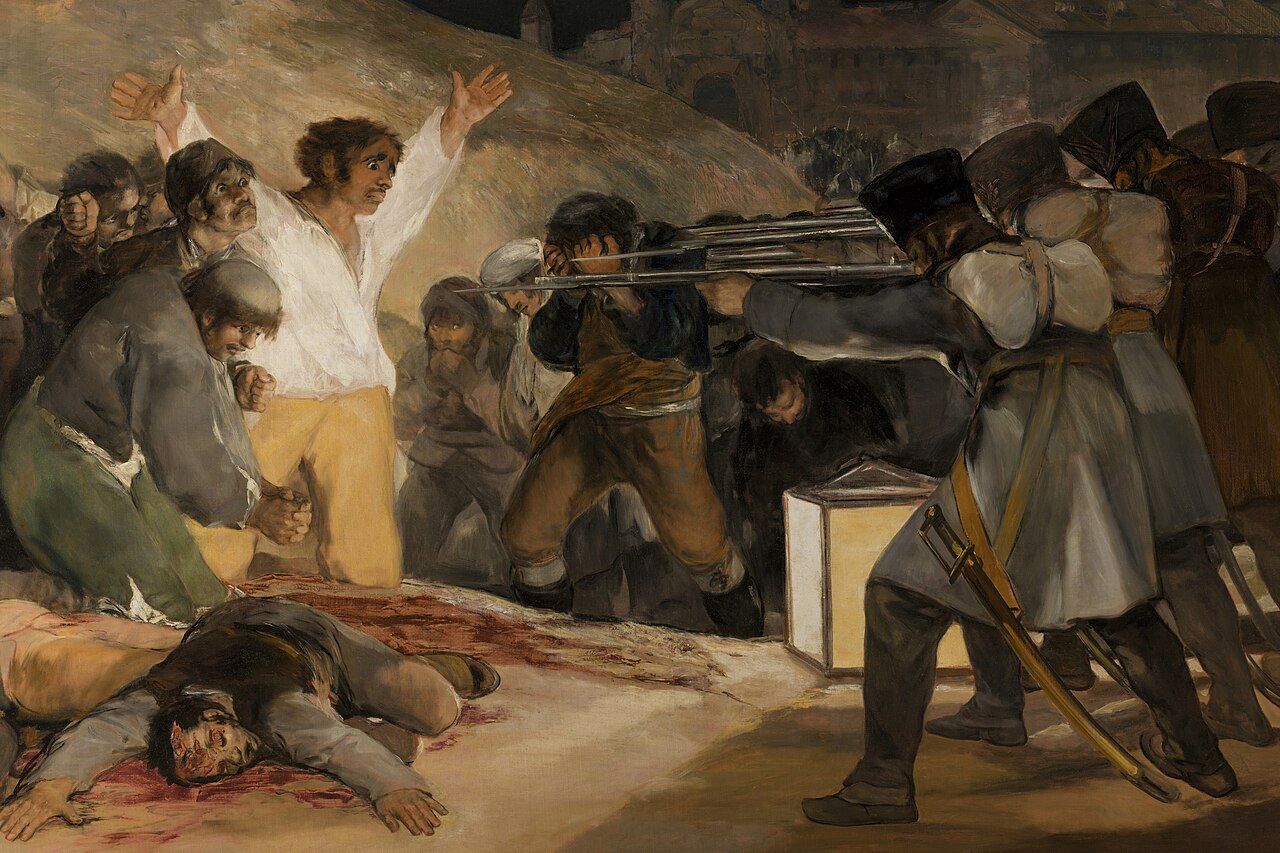
| goya-third-may.jpg | Francisco Goya, The Third of May 1808, 1814, Museo del Prado, Madrid | Public domain | Williams |
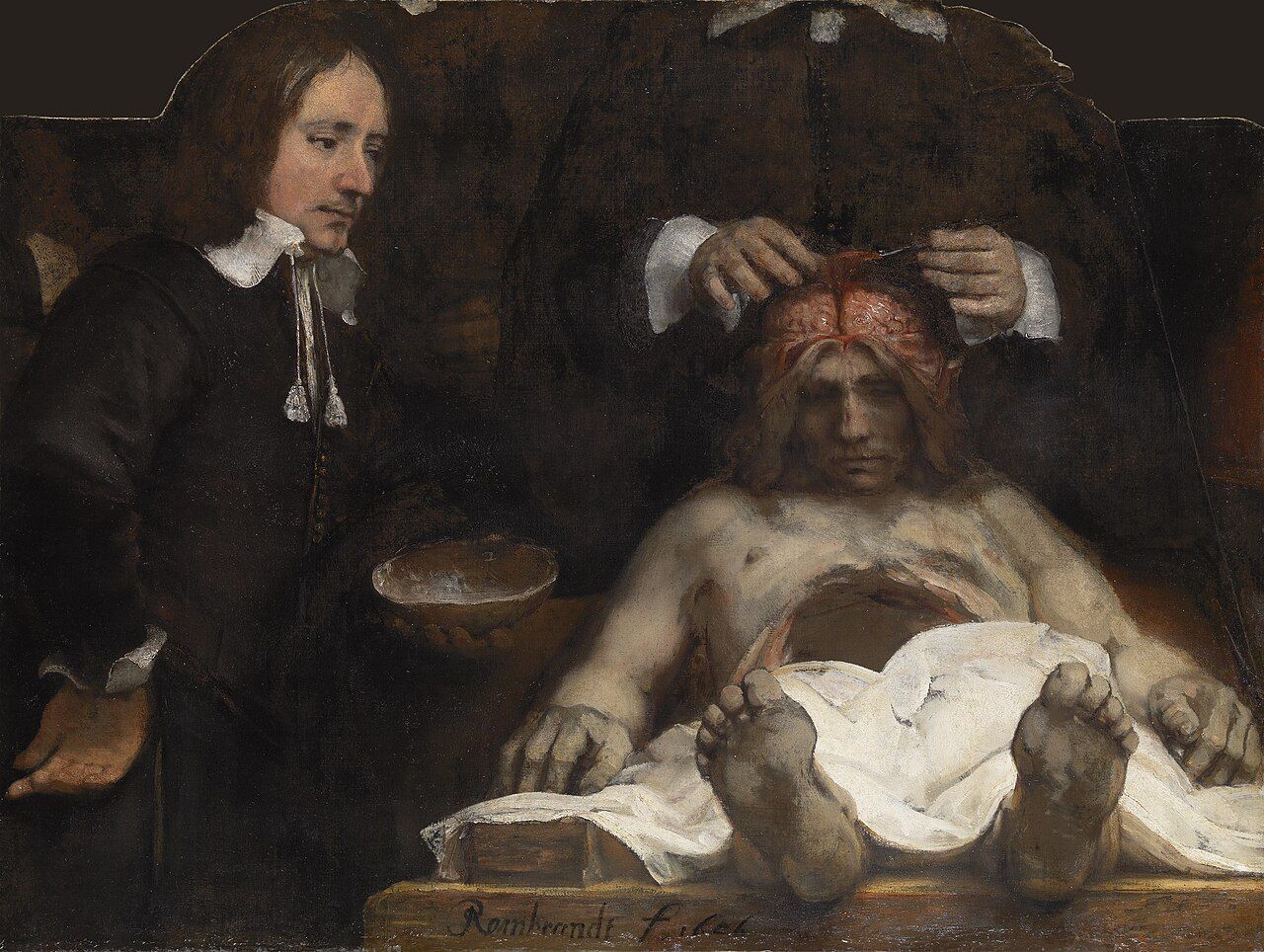
| rembrandt-deijman.jpg | Rembrandt, The Anatomy Lesson of Dr Jan Deijman (fragment), 1656, Amsterdam Museum | Public domain | Shoemaker |
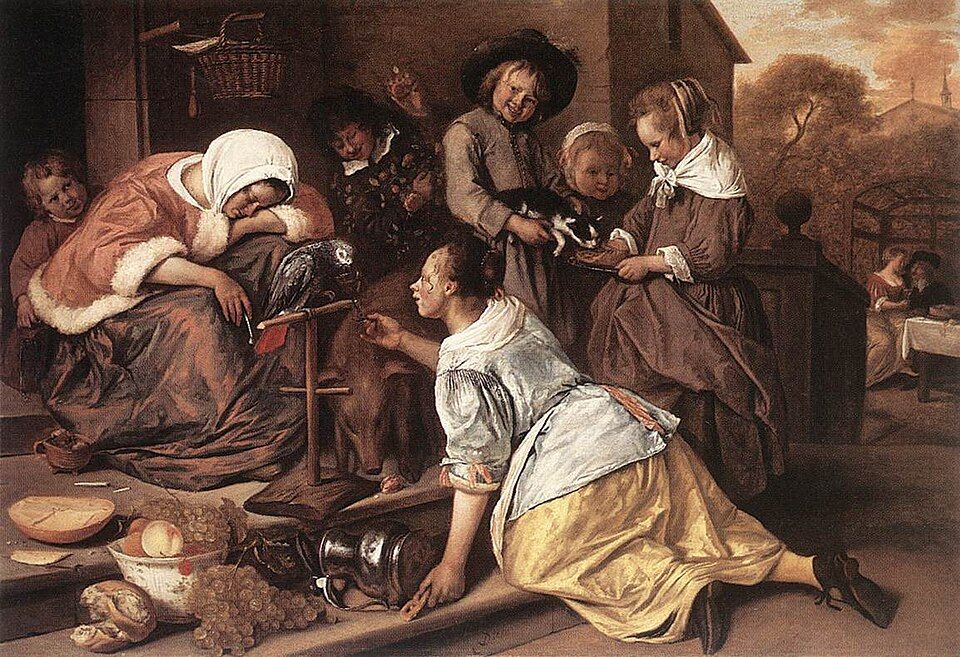
| steen-intemperance.jpg | Jan Steen, The Effects of Intemperance, c. 1663–65, National Gallery, London | Public domain | Frankfurt |
| velde-cannon-shot.jpg | Willem van de Velde the Younger, The Cannon Shot, c. 1680, Rijksmuseum, Amsterdam | Public domain | Nozick |
| hobbema-middelharnis.jpg | Meindert Hobbema, The Avenue at Middelharnis, 1689, National Gallery, London | Public domain | Lewis |
| kircher-camera-obscura.jpg | Athanasius Kircher, a portable camera obscura, from Ars Magna Lucis et Umbrae, 1646 | Public domain | Dennett |
| blake-soul-body.jpg | Luigi Schiavonetti after William Blake, The Soul hovering over the Body reluctantly parting with Life, from Robert Blair's The Grave, 1808, Metropolitan Museum of Art, New York | Public domain | Swinburne |
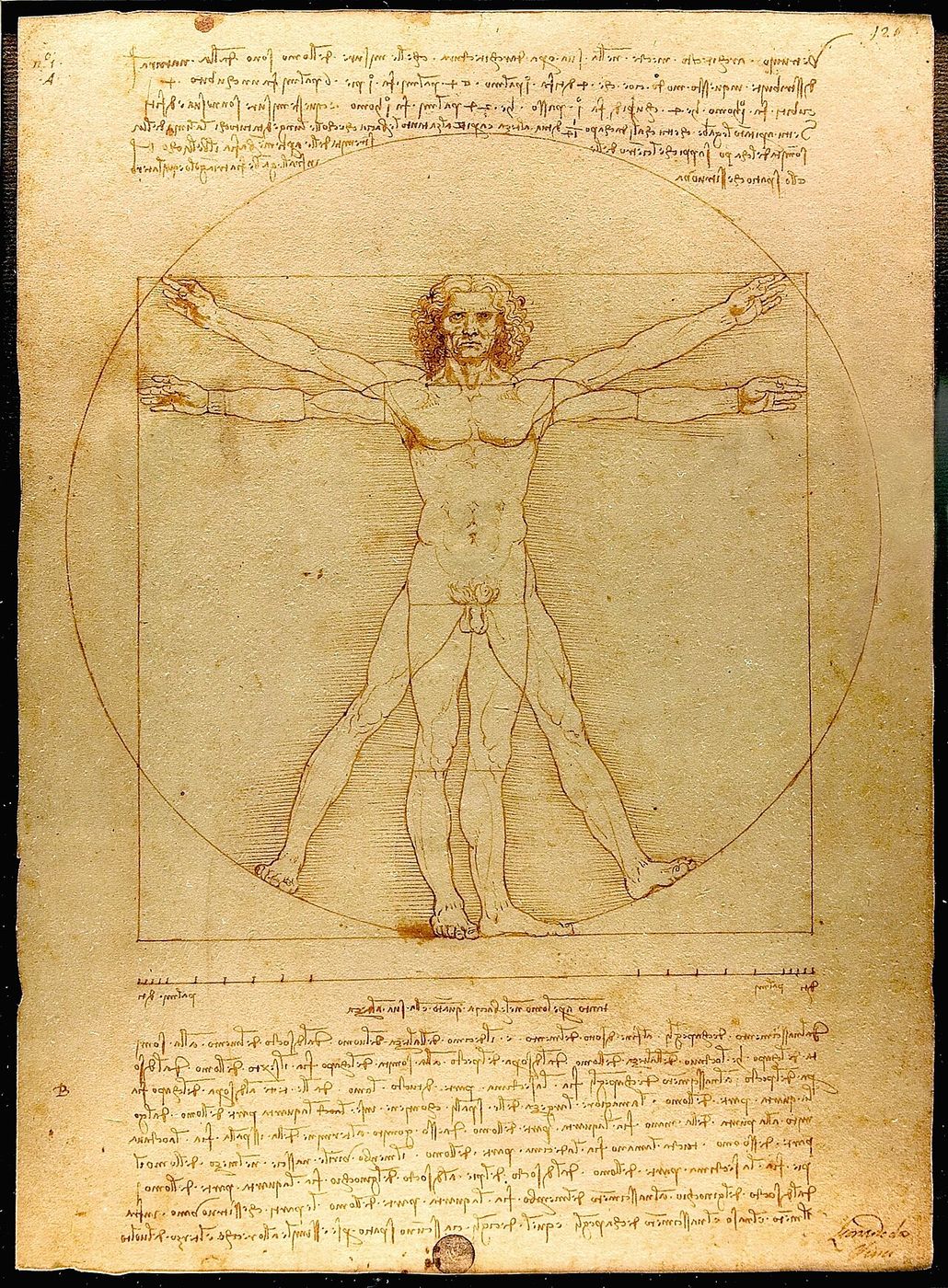
| leonardo-vitruvian.jpg | Leonardo da Vinci, Vitruvian Man, c. 1490, Gallerie dell'Accademia, Venice | Public domain | Olson |
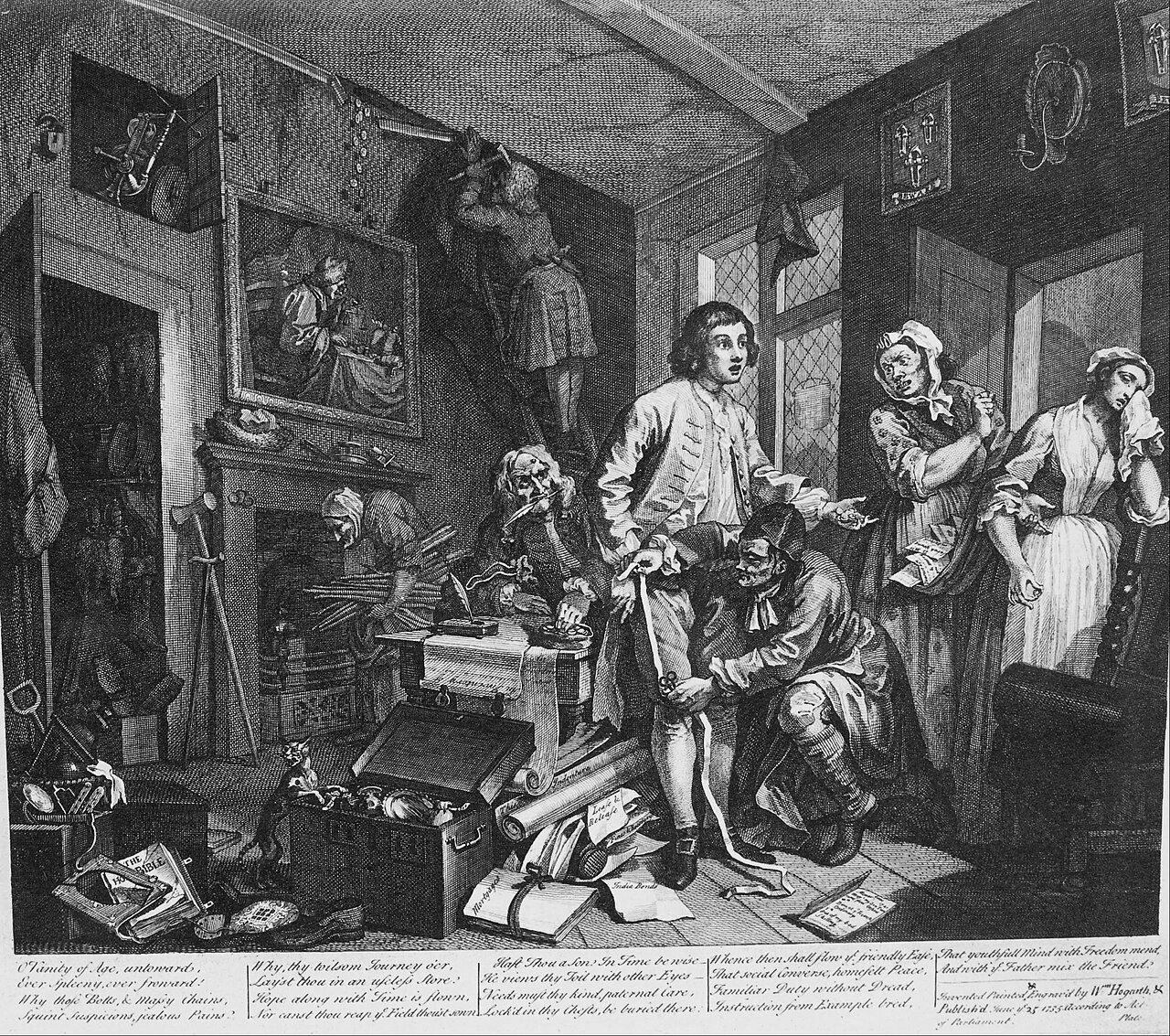
| hogarth-rake.jpg | William Hogarth, A Rake's Progress, plate 1, The Young Heir Takes Possession of the Miser's Effects, engraving, 1735 | Public domain | Schechtman |
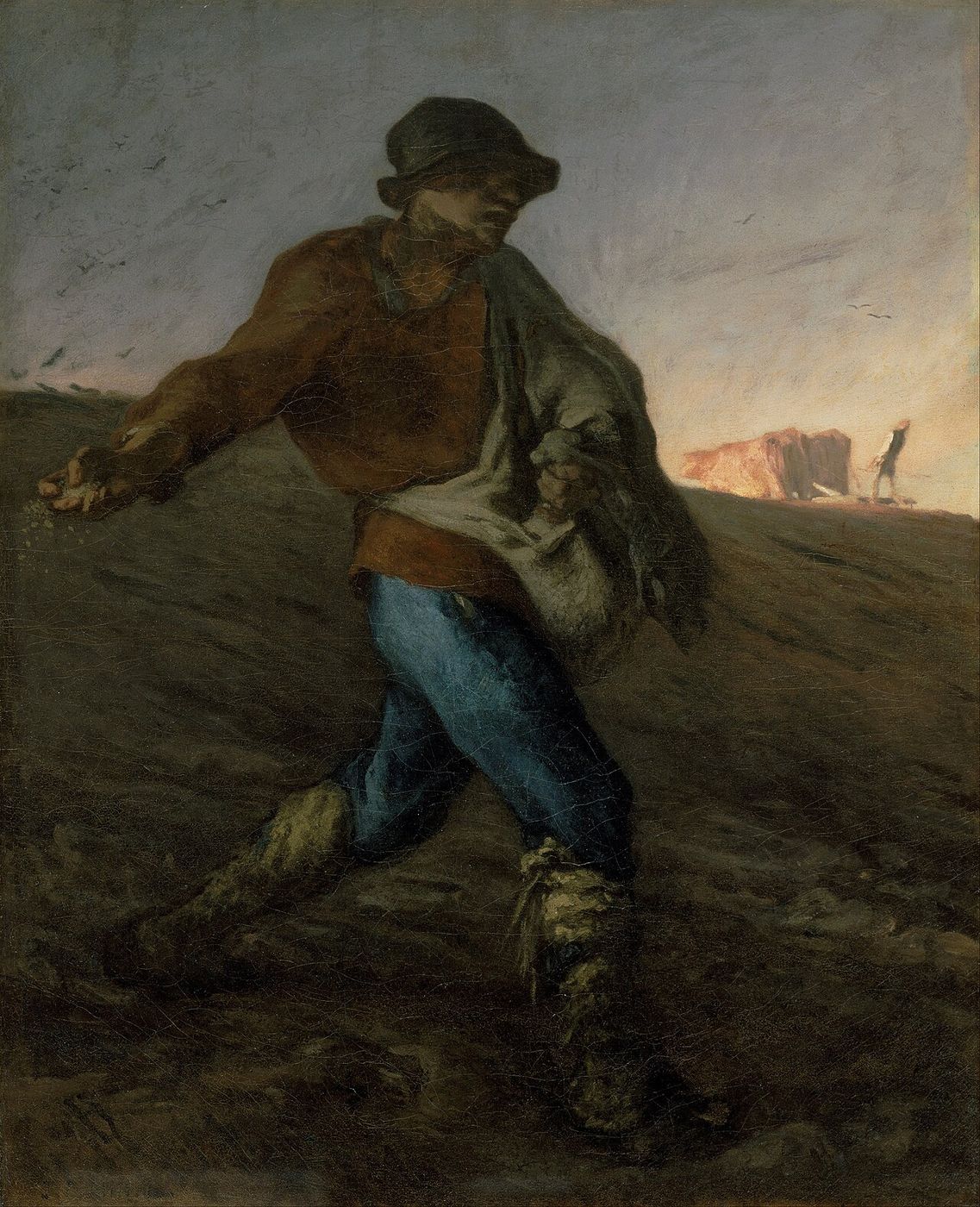
| millet-sower.jpg | Jean-François Millet, The Sower, 1850, Museum of Fine Arts, Boston | Public domain | Korsgaard |
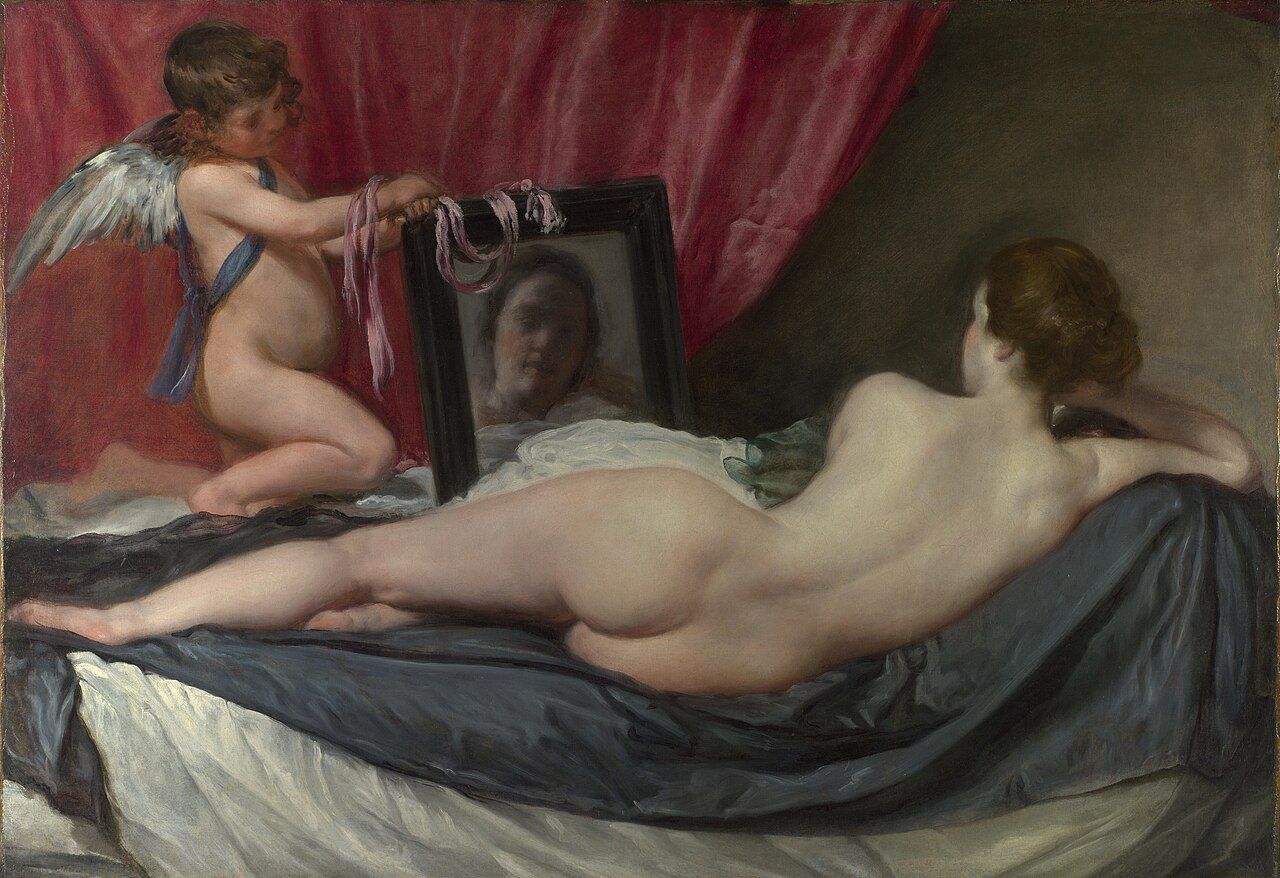
| velazquez-rokeby.jpg | Diego Velázquez, The Toilet of Venus (the Rokeby Venus), 1647–51, National Gallery, London | Public domain | Metzinger |
| cezanne-card-players.jpg | Paul Cézanne, The Card Players, early 1890s | Public domain | Saunders and Wallace |
| hammershoi-white-doors.jpg | Vilhelm Hammershøi, White Doors, Strandgade 25, c. 1913 | Public domain | Carroll |
| bocklin-isle.jpg | Arnold Böcklin, Isle of the Dead, first version, 1880, Kunstmuseum Basel | Public domain | Tegmark |
| holst-frankenstein.jpg | Theodor von Holst, frontispiece to Mary Shelley's Frankenstein, 1831 | Public domain | Uploads and copies |
| stradanus-nova-reperta.jpg | Jan van der Straet (Stradanus), title page of Nova Reperta, c. 1590, British Museum, London | Public domain | Deutsch |
A plain-text list with links to each source file is at /art/CREDITS.md.
How it is built
Plain HTML, CSS and JavaScript, with no trackers, no cookies and no web fonts. The figures are drawn in SVG by short scripts. The site follows your device's light or dark mode.