Cambridge and Sheffield, contemporary
Eric Olson
There is a human animal sitting in your chair and reading these words. Eric Olson asks: is it you? If it is not, there are two thinkers in your chair. If it is, then you are an animal, and psychology has nothing to do with whether you survive.
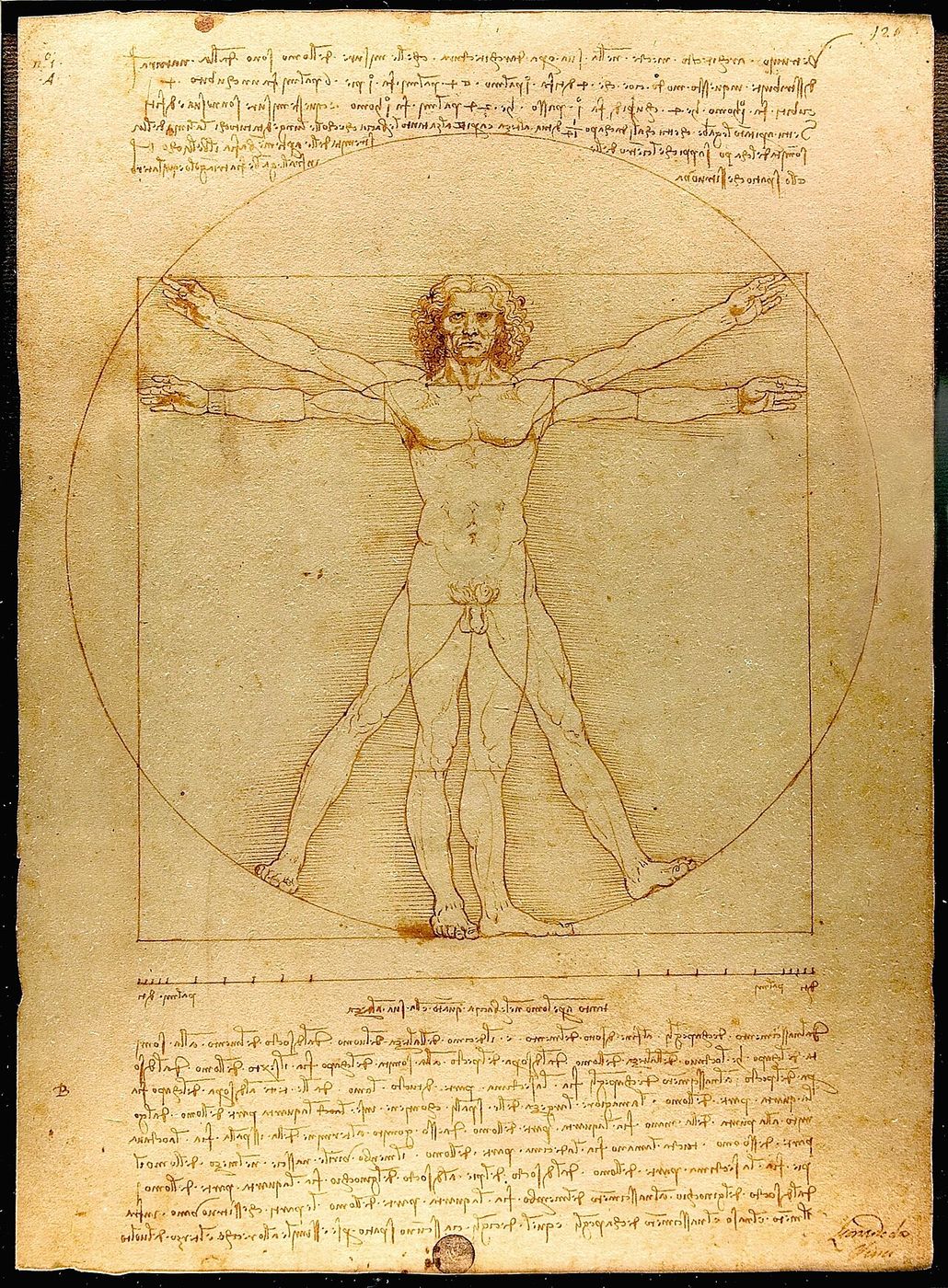
The view
In The Human Animal: Personal Identity Without Psychology (1997), Eric Olson defends animalism, the view that each of us is a human animal. An animal persists as long as its life goes on: the self-organising biological processes that take in matter, keep the organism going and expel what it no longer needs. A human animal began as an embryo, did not think for months, and may go on living in a permanent vegetative state when it can no longer think again. So, Olson argues, can you.
Being a person, on this view, is like being a student or a philosopher: a phase an animal can pass through, not what it essentially is. Psychological continuity is neither necessary nor sufficient for your survival.
The argument
Olson's main argument is the thinking animal problem. There is a human animal where you are. It has a brain in working order, so it thinks your thoughts. If you are not that animal, as psychological views imply, then there are two thinkers in your chair, the animal and you, thinking every thought together, and you could never know which one you are. The simplest way out is to accept that you are the animal.
The view gives a striking answer to the transplant case. Suppose your cerebrum, which carries your memories and character, is moved into another head. The animal that was you stays behind, its brainstem still keeping it alive, with no memories at all. On animalism you stay there too. The person in the other body, with all your memories, is someone else.
Where he meets Parfit
Olson is a reductionist in Parfit's sense: no soul, no further fact, only an organism and its history. Both agree that some identity questions have no answer, and both separate the facts about persistence from our practical concerns.
Where he parts from Parfit
Animalism is the most direct challenge to the psychological view since Williams. It denies that psychology has anything to do with persistence, so on Olson's view the teletransporter kills you, and in division you go with neither half, or with whichever half keeps the organism alive. Parfit late in life took the thinking animal problem seriously and proposed that "I" refers to the part of the animal that thinks, the brain or something like it. Olson and others have doubted that this escapes the problem. Olson himself suggests that what matters to us may be psychological even if identity is not, which is a Parfitian thought with an animalist foundation.
| Olson | Parfit | |
|---|---|---|
| What is a person? | A human animal: a biological organism of the species Homo sapiens. | Nothing over and above a brain, a body and a series of interrelated physical and mental events. |
| What makes you the same person over time? | Biological continuity: the persistence of the same life, the self-sustaining metabolic processes of one organism. | Relation R, psychological connectedness and continuity, holding in one line without branching. |
| Is identity what matters? | Identity is a biological fact; what matters to us practically may be psychology, but survival is not. | No. What matters is Relation R, which can hold without identity, as in division. |
| One of you, or many? | One organism, one of you. In a brain transplant you stay with the body that goes on living. | Normally one, but the concept fails when R branches; then the question may be empty. |
Further reading
- Eric T. Olson, The Human Animal: Personal Identity Without Psychology (1997).
- Eric T. Olson, What Are We? A Study in Personal Ontology (2007).
- Personal Identity, Stanford Encyclopedia of Philosophy, written by Olson.